Permanent vinyl is a strong adhesive vinyl designed for long-lasting applications on smooth, hard, non-porous surfaces such as glass, metal, plastic, and wood. It is water-resistant, UV-resistant, and typically lasts 3 to 8 years. Common uses include car decals, outdoor signs, product labels, tumblers, mugs, mailboxes, and personalised drinkware. These include any project where the design needs to stay firmly in place for a long time without peeling or fading.
Permanent vinyl is one of the most widely used adhesive vinyl types in crafting because it works on almost any hard, smooth, non-porous surface and holds up to outdoor conditions, moisture, and repeated handling. This guide covers what permanent vinyl is used for, how it compares to removable vinyl, the surfaces it works on, project ideas, step-by-step application instructions, and the most common questions beginners ask.
Difficult to remove without heat or adhesive remover. May leave residue.
Peels off cleanly with no residue in most cases.
Finish
Usually glossy.
Usually matte.
Use when
The design is permanent or long-term.
The design is temporary or seasonal.
What Is Permanent Vinyl?
Permanent vinyl is a pressure-sensitive adhesive film made of polyvinyl chloride (PVC). It has a strong adhesive backing designed to bond firmly with smooth, hard, non-porous surfaces. Once applied and fully bonded, it resists water, UV light, and repeated handling without peeling, fading, or lifting.
Permanent vinyl comes in rolls and sheets. Rolls are ideal for large projects and high-volume work. Sheets are easier for beginners and small projects. It is available in matte, glossy, glitter, holographic, color-changing, glow-in-the-dark, and reflective finishes. TeckWrap Craft adhesive vinyl is available in all of these finishes and is compatible with Cricut, Silhouette, and all standard cutting machines.
What Is Permanent Vinyl Used For?
Permanent vinyl is used for long-lasting decals, labels, and graphics on hard, smooth surfaces such as glass, metal, plastic, acrylic, and painted wood. Because it is water-resistant and UV-resistant, it suits both indoor and outdoor projects.
Car decals and bumper stickers. Permanent vinyl bonds to painted metal and glass vehicle surfaces. It withstands car washes, rain, and UV exposure without lifting or fading.
Outdoor signs and mailboxes. Business signs, address numbers, garden markers, and directional signs require vinyl that holds outdoors. Permanent vinyl handles weather, temperature changes, and sunlight for years.
Tumblers, mugs, and drinkware. Permanent vinyl bonds to smooth drinkware surfaces and withstands regular hand washing. It is not dishwasher-safe without sealing. For hand-washed drinkware, no sealant is needed.
Product labels and organisation labels. Spice jar labels, storage bin labels, pantry labels, and product packaging where the label needs to stay through regular handling and occasional moisture.
Laptop stickers and personalised accessories. The smooth surface of laptops, phone cases, and notebooks accepts permanent vinyl well. The strong adhesive holds through daily use without lifting at the edges.
Picture frames and home decor. Permanent vinyl applied to glass or acrylic panels in picture frames creates a clean decorative effect for indoor display or outdoor garden events.
Wooden signs. Sealed or painted wood accepts permanent vinyl well. For outdoor wooden signs, seal the vinyl after application to improve UV and weather resistance. For raw wood, apply a base coat of acrylic paint or polycrylic first.
Surfaces That Work with Permanent Vinyl
Permanent vinyl adheres best to smooth, non-porous, dry surfaces. Here is a quick reference for the most common surfaces.
Surface
Suitability
Notes
Glass
Excellent
Clean with isopropyl alcohol before applying. Works on tumblers, mugs, windows, and frames.
Metal
Excellent
Car panels, mailboxes, stainless steel drinkware. Clean with isopropyl alcohol first.
Plastic
Very good
Most plastic types hold permanent vinyl well. Textured plastic gives weaker adhesion.
Ceramic
Very good
Mugs and tiles. Clean thoroughly. Not dishwasher-safe without sealant.
Acrylic
Very good
Clear or coloured acrylic. Clean before applying. Popular for ornaments and signage.
Sealed wood
Good
Must be sealed, stained, or painted before application. Raw wood is porous and will not hold well.
Fabric
Not suitable
Use heat transfer vinyl (HTV) for fabric. Permanent adhesive vinyl does not bond with fabric correctly.
Project Ideas Using Permanent Vinyl
These are five of the most popular permanent vinyl projects, each chosen because permanent vinyl is the correct material rather than removable vinyl.
1. Personalised Tumblers and Drinkware
Permanent vinyl is the right choice for any drinkware washed regularly. Apply using transfer tape and a squeegee on a clean, dry tumbler. For hand-washed drinkware, no sealing is needed. For dishwasher-safe drinkware, apply Mod Podge sealant and cure fully before washing.
2. Outdoor Signs and Address Numbers
For outdoor signage, car decals, mailbox numbers, and business window graphics, permanent vinyl is the correct choice. Removable vinyl will lift and fade outdoors within weeks. Permanent vinyl holds through rain, sunlight, and temperature changes for 3 to 8 years.
3. Wooden Signs and Home Decor
Permanent vinyl on wood gives the look of a sticker applied to the surface. The wood must be sealed, stained, or painted first. Raw wood is too porous. For outdoor wooden signs, seal over the vinyl design after application to protect from moisture and UV.
4. Customised Notebooks and Stationery
The smooth cover of a notebook, planner, or folder holds permanent vinyl well. Cut a name, monogram, or design and apply with transfer tape. Permanent vinyl holds through daily handling without lifting at the edges the way sticker paper tends to.
5. Picture Frames and Acrylic Panels
Remove the glass or acrylic panel from a picture frame and apply permanent vinyl to the smooth surface. Works for personalised home decor, event signage, and seasonal decorations that need to last more than a few weeks. Frames with vinyl can be displayed indoors or at garden events.
Do NOT Mirror Permanent Vinyl
This is one of the most common mistakes when switching between vinyl types. Permanent adhesive vinyl is applied face-up with the coloured side up toward the blade during cutting. You only mirror when using heat transfer vinyl (HTV) on fabric. If you mirror permanent vinyl, the design will transfer backwards.
How to Apply Permanent Vinyl: Step by Step
You will need: permanent adhesive vinyl, a cutting machine, transfer tape, a squeegee, isopropyl alcohol, and a clean cloth.
1 Design and Cut the Vinyl
Open your design in Cricut Design Space, Silhouette Studio, or preferred software. Set the dimensions to fit the surface. Select Permanent Vinyl or Premium Vinyl as the material type. Do not mirror the design. Load the vinyl into the cutting machine with the coloured side facing up. Run a test cut first to confirm the blade cuts cleanly through the vinyl without cutting the backing sheet.
Tip: Do not mirror permanent vinyl. Only heat transfer vinyl needs to be mirrored. If you mirror permanent vinyl, the design will transfer backwards onto the surface.
2 Weed the Excess Vinyl
Remove the cutting mat from the machine. Use a weeder, tweezers, or a weeding pen to peel away all vinyl that is not part of your design. Start at the outer border and work inward on cavities such as the inside of letters. Only the design should remain on the backing sheet after weeding.
Tip: Weed from the outside toward the center. If you accidentally lift a part of the design, press it back down with tweezers before continuing.
3 Apply Transfer Tape to the Design
Cut a piece of transfer tape slightly larger than your design. Peel the backing from the transfer tape and lay the adhesive side down over the weeded design. Use a squeegee to press the transfer tape firmly onto the vinyl, working from the center outward to remove air bubbles. Burnish thoroughly so all parts of the vinyl stick to the tape.
Tip: Use a grid transfer tape for precise alignment. TeckWrap Craft offers purple, black, and red grid transfer tapes that make alignment more accurate when placing the design.
4 Clean the Surface
Wipe the surface using isopropyl alcohol and a clean cloth. Remove all dust, grease, fingerprints, and moisture. Let the surface dry completely before proceeding. Any contamination will prevent the adhesive from bonding correctly and cause the vinyl to peel early.
Tip: Do not use soap and water immediately before applying vinyl. Soap leaves a residue that interferes with adhesion. Isopropyl alcohol evaporates cleanly and is the correct choice for surface preparation.
5 Transfer the Design to the Surface
Peel the backing sheet away from the transfer tape, leaving the vinyl design on the transfer tape. Position the design on the cleaned surface and check alignment carefully. Press one corner down, then use a squeegee to press the design flat from the center outward, working toward the edges to remove air bubbles. Apply firm, even pressure.
Tip: For curved surfaces such as tumblers, cut small notches into the transfer tape edges before applying. This lets the tape conform to the curve without wrinkling, keeping the vinyl flat against the surface.
6 Remove the Transfer Tape
Peel the transfer tape away slowly at a low angle, close to the surface. Pull the tape back against itself rather than lifting it straight up. If any part of the design starts to lift with the tape, stop and press it back down. Burnish that area again, wait 30 seconds, then continue peeling slowly.
Tip: After removing the transfer tape, wait 24 hours before washing or using the item. The adhesive needs time to fully bond. Washing too soon is the most common cause of permanent vinyl peeling early.
Does Permanent Vinyl Need to Be Sealed?
Permanent vinyl does not need to be sealed for most applications. On outdoor signs, car decals, mailboxes, and most smooth surfaces, permanent vinyl holds up without any sealant. The UV resistance and water resistance are built into the vinyl itself.
The exception is drinkware used in a dishwasher. Dishwasher detergent and high heat will eventually break down the adhesive on permanent vinyl. For dishwasher-safe drinkware, apply a thin coat of Mod Podge Dishwasher Safe sealant over the fully bonded design and allow it to cure for at least 28 days before putting it through a dishwasher cycle. For hand-washed drinkware, sealing is not necessary.
For outdoor wooden signs, sealing over the vinyl with an outdoor-rated sealant improves longevity in harsh weather. The sealant protects both the vinyl edges and the wood surface from moisture.
Frequently Asked Questions
Permanent vinyl is used for long-lasting decals, labels, and graphics on smooth, hard, non-porous surfaces. Common uses include car decals, outdoor signs, product labels, tumblers, mugs, mailboxes, personalised drinkware, laptop stickers, and any project where the design needs to stay firmly in place for years without peeling or fading.
Permanent vinyl typically lasts 3 to 8 years, depending on the surface type and exposure conditions. On outdoor surfaces exposed to UV and weather, longevity is at the lower end of that range. On indoor surfaces, permanent vinyl can last significantly longer. Correct surface preparation and application also affect lifespan.
Permanent vinyl is water-resistant, not fully waterproof under all conditions. It withstands rain, outdoor moisture, and regular hand washing on drinkware. It is not dishwasher-safe without sealing. For drinkware that will be put through a dishwasher, seal the design with Mod Podge Dishwasher Safe sealant and allow it to cure for 28 days.
No. Permanent adhesive vinyl does not bond correctly with fabric. Fabric surfaces are porous and flexible, which prevents the adhesive from forming a firm bond. For fabric projects, use heat transfer vinyl (HTV) instead. HTV uses a heat-activated adhesive designed specifically to bond with fabric fibers.
Warm the vinyl with a hair dryer or heat gun on a low setting for 10 to 15 seconds to soften the adhesive. Peel slowly at a low angle from one corner. If adhesive residue remains on the surface, remove it with rubbing alcohol or a citrus-based adhesive remover. Do not use sharp tools to scrape the vinyl as this can damage the surface underneath.
For most applications, permanent vinyl does not need to be sealed. The exception is dishwasher use. For drinkware intended for the dishwasher, apply Mod Podge Dishwasher Safe sealant over the design and cure for 28 days. For outdoor wooden signs, sealing over the vinyl with an outdoor sealant extends longevity in harsh weather.
Yes. Permanent vinyl is UV-resistant and water-resistant, making it suitable for outdoor use. It is the correct choice for car decals, outdoor business signs, mailbox numbers, and designs exposed to sunlight and weather. Removable vinyl is not suitable for outdoor use as it will lift and fade quickly.
Permanent vinyl has a strong adhesive, a glossy finish, and lasts 3 to 8 years. It is best for outdoor use, drinkware, and long-term applications. Removable vinyl has a lighter adhesive, a matte finish, and peels off cleanly. It is best for indoor temporary decals, seasonal decorations, and projects where you may need to reposition or remove the design later.
Wrapping Up
Permanent vinyl is the right choice for any project where the design needs to last. It works on glass, metal, plastic, ceramic, acrylic, and sealed wood. It holds up outdoors, on drinkware, on vehicles, and on surfaces that get regular handling. Use removable vinyl when you want a design that can be changed or removed without leaving residue.
TeckWrap Craft adhesive vinyl is available in matte, glossy, glitter, holographic, colour-changing, and specialty finishes, all compatible with Cricut, Silhouette, and standard cutting machines.
Shop TeckWrap Craft permanent adhesive vinyl in dozens of colours and finishes.
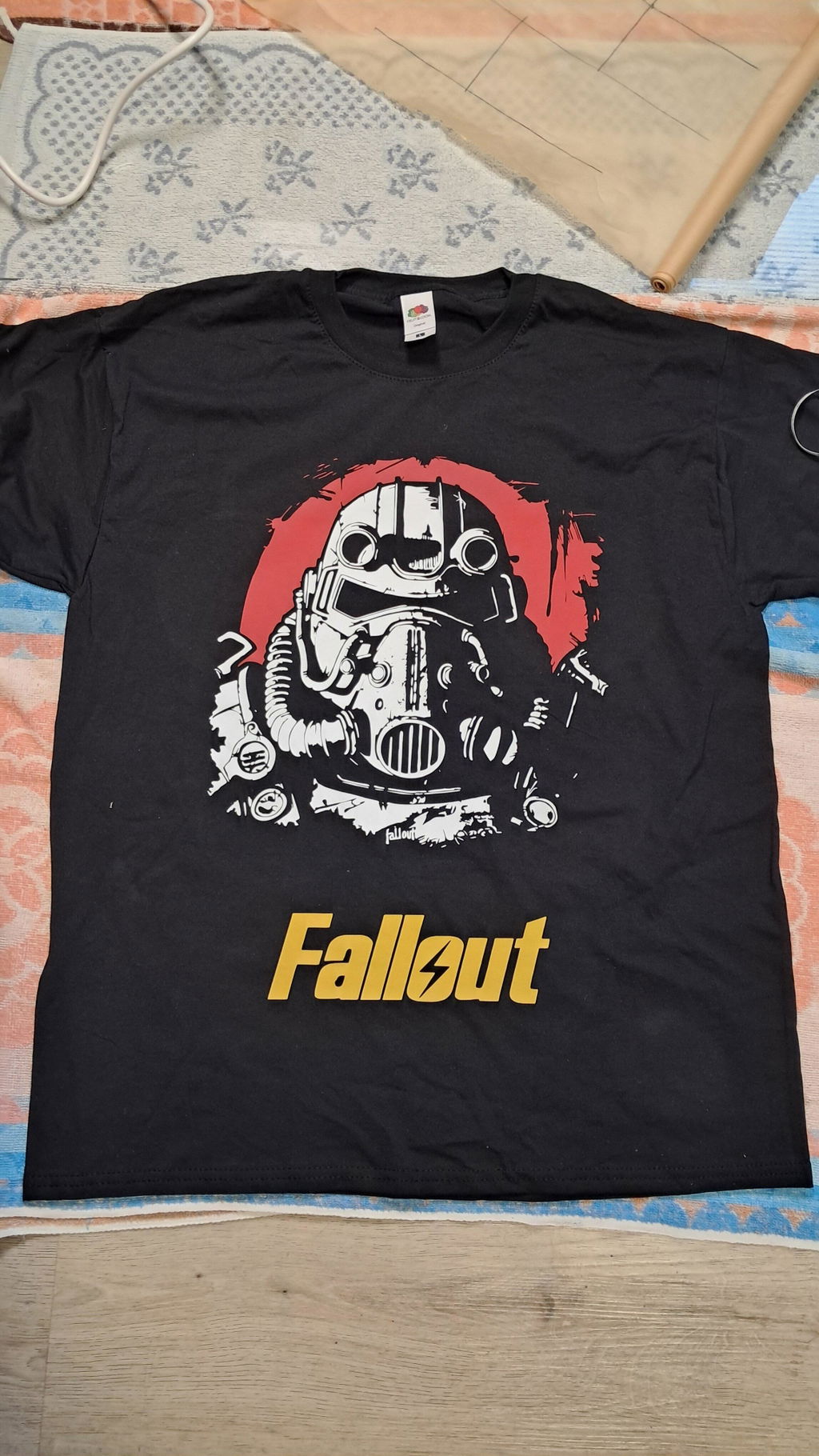
These are the exact same texture and sheets that I am able to buy at Walmart. The green shirt is using your product, step by step instructions and the black is the product that I ordered from Walmart at 1/2 the price
I bought this big roll awhile back and never had to worry about strategically cutting my designs to fit into a short roll. I had all the vinyl in the world and I knew that I could easily take on big projects because my mega roll of 001M was always there. The peace of mind was definitely worth the purchase.