Permanent vinyl has a strong adhesive that forms a long-term bond with the surface. It is UV-resistant, water-resistant, and designed for outdoor use, drinkware, and any application that needs to last years. Permanent vinyl lasts 3 to 5 years outdoors.
Removable vinyl has a lower-tack acrylic-based adhesive that bonds to smooth surfaces and peels off cleanly without residue. It is for temporary indoor projects such as wall decals, window graphics, and seasonal signs. Removable vinyl lasts 6 months to 2 years indoors.
Both permanent and removable vinyl are types of adhesive vinyl used on hard, smooth surfaces such as glass, tumblers, walls, and signage. Neither type is suitable for fabric. For fabric projects, use heat transfer vinyl (HTV). The choice between permanent and removable comes down to whether the application is intended to last long-term or be changed at some point.
Difficult. May require heat or adhesive remover. May leave residue.
Peels off cleanly by hand. No residue in most cases.
For fabric?
No. Use heat transfer vinyl (HTV) for fabric.
No. Use heat transfer vinyl (HTV) for fabric.
Which Vinyl Should You Use?
Answer these three questions to pick the right type for your project.
Question 1: Indoor or outdoor?
Outdoor = permanent vinyl only. Removable vinyl will not hold up to weather and UV exposure outdoors.
Question 2: Permanent or temporary?
Long-term = permanent vinyl. Temporary or changeable = removable vinyl.
Question 3: Fabric or hard surface?
Fabric = heat transfer vinyl (HTV). Hard smooth surface = permanent or removable adhesive vinyl.
What You Need to Know About Permanent Vinyl
Permanent vinyl is the correct choice whenever the design needs to stay in place for a long time, go outdoors, or be applied to drinkware that is washed regularly. Once permanent vinyl has fully bonded to a surface, it is firmly attached and difficult to remove without heat or chemical assistance.
Does permanent vinyl damage surfaces when removed?
Permanent vinyl is designed to stay on the surface. If you stick permanent vinyl on a wall and try to remove it later, the wall paint may get damaged. The same applies to glass windows and painted wood surfaces. If you think you may want to change the design in the future, use removable vinyl instead.
For outdoor use, permanent vinyl is the correct choice. Removable vinyl placed outdoors will not hold up to rain, sunlight, and temperature changes. If you need an outdoor decal for one occasion only, removable vinyl is acceptable. For any long-term outdoor application, use permanent vinyl.
Does permanent vinyl need to be sealed?
For most applications, permanent vinyl does not need a sealant. Good-quality permanent vinyl bonds firmly without needing additional protection. Whether you are using it as a wall decal, on a tumbler, or on a mug, a sealant is not necessary for standard use.
The exception is glitter vinyl on drinkware. Glitter vinyl can smudge over time, so sealing with epoxy resin is recommended to preserve the finish. For any drinkware you want to make dishwasher-safe, apply Mod Podge Dishwasher Safe sealant over the entire surface and allow it to cure for 28 days.
Can you use permanent vinyl on mugs and tumblers?
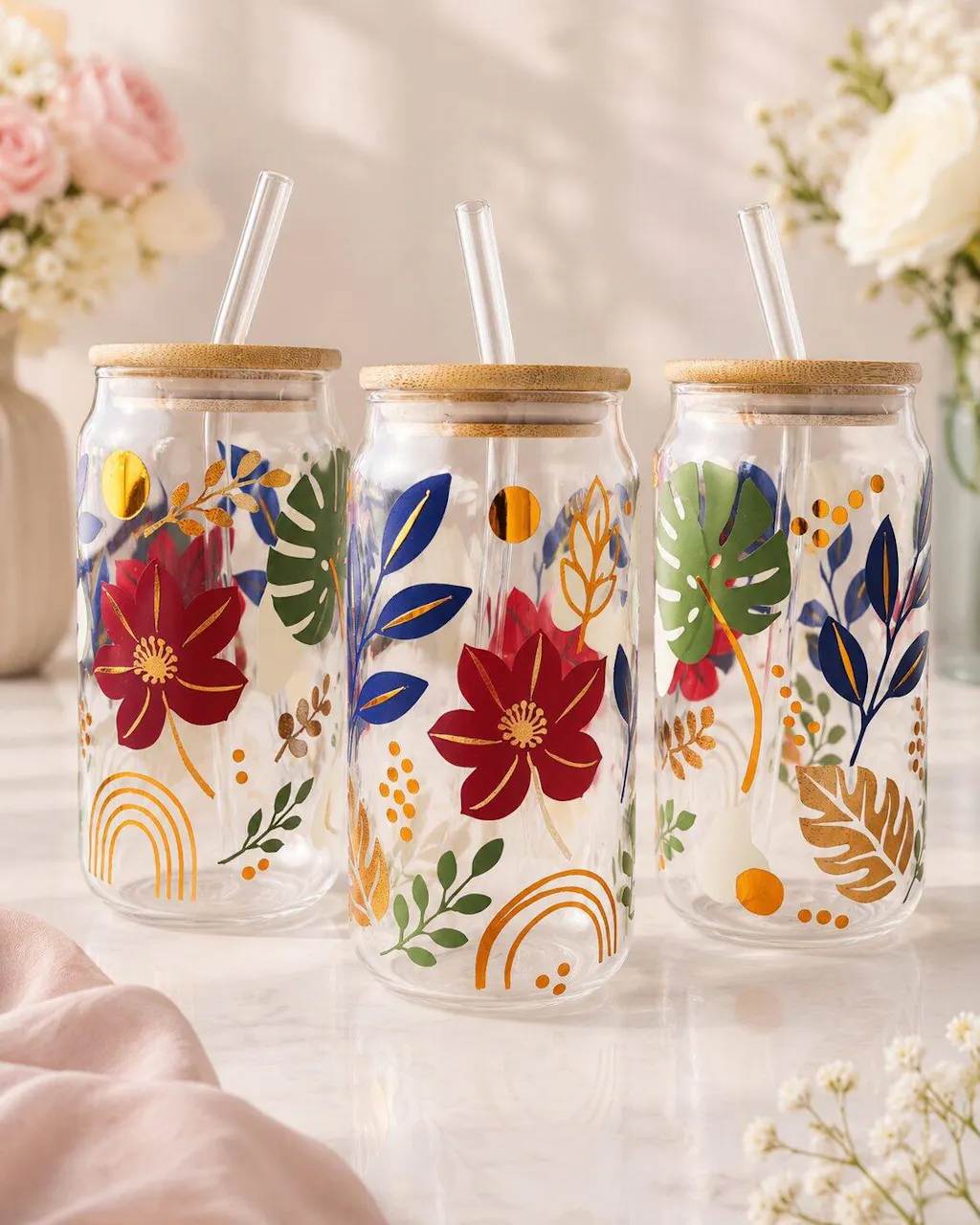
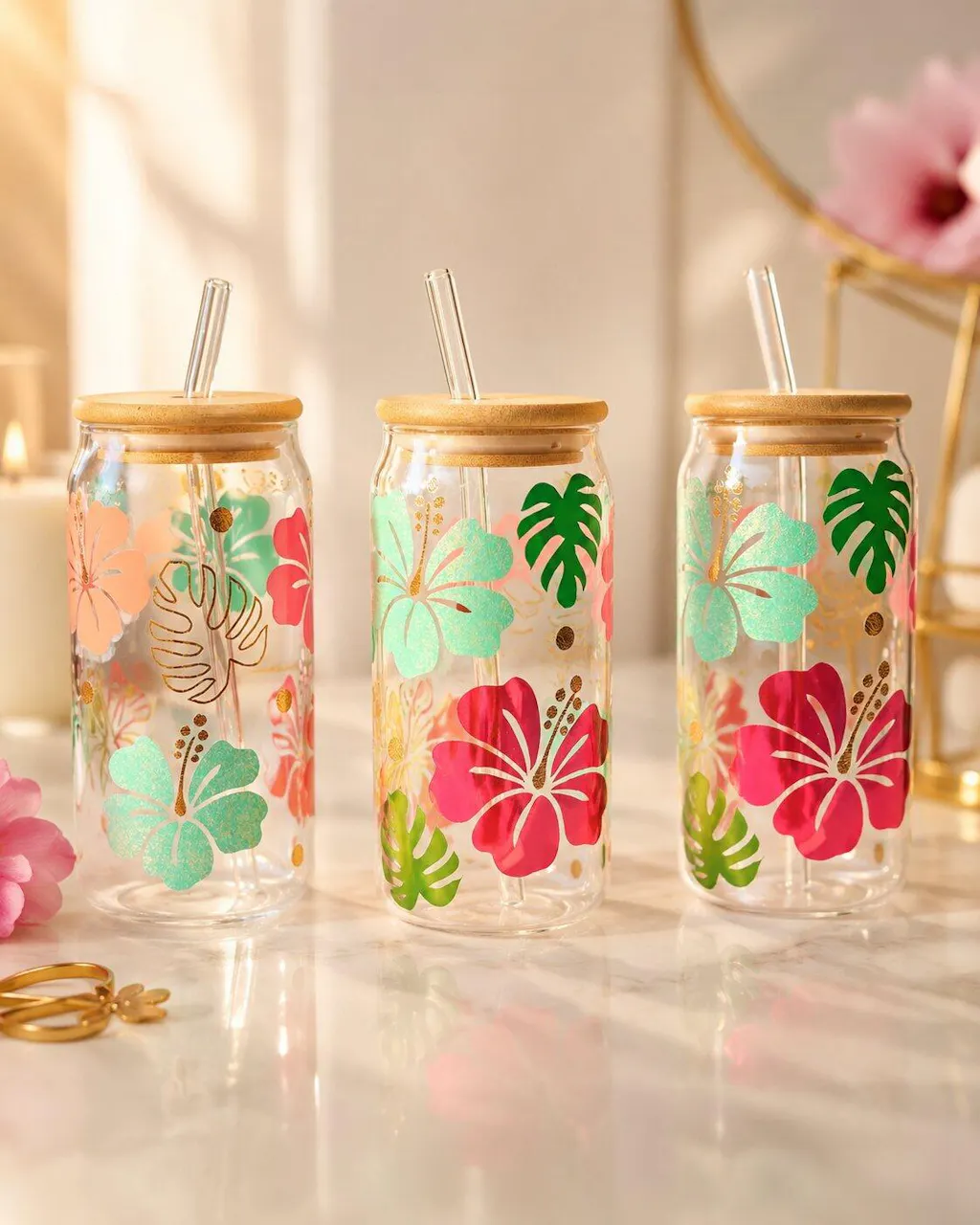
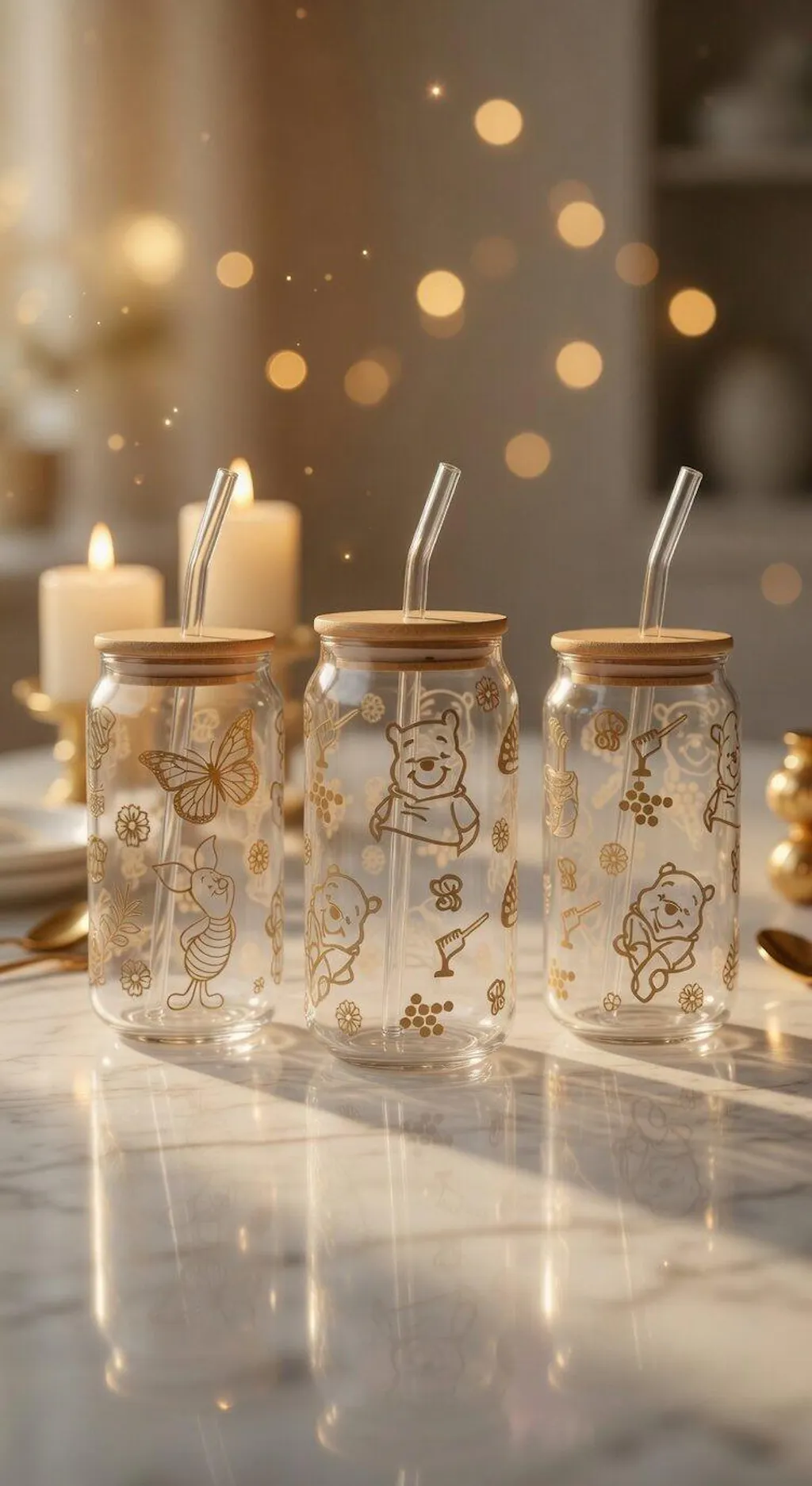
Permanent vinyl is the correct choice for mugs and tumblers. Since drinkware is washed frequently, the vinyl needs to withstand repeated contact with water. Permanent vinyl is water-resistant and holds up well to hand washing without peeling.
Permanent vinyl is not dishwasher-safe without sealing. Dishwashers use high-pressure hot water and harsh detergents that can lift the vinyl edges over time. For drinkware you want to put in the dishwasher, apply Mod Podge Dishwasher Safe sealant and cure for 28 days.
How do you remove permanent vinyl?
Permanent vinyl is designed to stay on surfaces, so removal takes more effort. These are the two most reliable methods.
Liquid vinyl remover. Spray the remover over the vinyl. Wait 5 to 15 minutes. The adhesive will soften and the vinyl will peel away cleanly together with the adhesive.
Heat and peel method. Warm the vinyl with a hair dryer or heat gun on low heat for 10 to 15 seconds. Peel slowly at a low angle from one corner. Wipe any remaining adhesive residue with a cloth dampened with white vinegar or rubbing alcohol.
Uses of permanent vinyl
Outdoor signs Car decals, bumper stickers, business signage on windows or glass doors, and any sign exposed to weather.
Drinkware Mugs, tumblers, water bottles. Seal with Mod Podge for dishwasher-safe use.
Home decor Wall decals intended to stay long-term, personalised glass frames, and decorative items.
Vehicle decals Car window stickers, bumper stickers, and body decals.
Product labels Labels on jars, containers, and merchandise. Apply using transfer tape and a squeegee for clean placement.
Ornaments and acrylic blanks Permanent vinyl applies cleanly to smooth acrylic and glass ornament surfaces.
What You Need to Know About Removable Vinyl
Removable adhesive vinyl has a lower-tack acrylic-based adhesive. It bonds to smooth surfaces firmly enough to stay in place but peels off cleanly by hand when you want to remove it, without leaving sticky residue or damaging the surface underneath. It is used for temporary or changeable applications.
Is removable vinyl suitable for outdoor use?
Removable vinyl is designed for indoor use only. The lower-tack adhesive is not built to withstand outdoor weather conditions, UV exposure, or temperature changes. Outdoors, removable vinyl will begin to lift and fade within a short time.
If you need a vinyl decal outdoors for a single occasion such as a one-time event or seasonal display, removable vinyl is acceptable for that short period. For any permanent or long-term outdoor application, use permanent vinyl.
How long does removable vinyl last?
Removable vinyl applied indoors on a smooth, clean surface typically lasts 6 months to 2 years under normal conditions. The adhesive strength gradually reduces over time, especially in humid environments or areas with significant temperature changes. Applying removable vinyl to porous or textured surfaces reduces its lifespan further.
Can you seal removable vinyl?
Yes. If you want to improve the durability of removable vinyl on specific surfaces, you can seal it. Recommended sealants for removable vinyl on wood signs, glass surfaces, and ceramics include Mod Podge Dishwasher Safe, polyurethane or polyacrylic spray sealant, and epoxy resin. Sealing is most useful on wood signs and decorative items.
Do not use removable vinyl on mugs or tumblers that are washed regularly. Even with a sealant, removable vinyl will peel off drinkware after repeated washes. Use permanent vinyl on any drinkware.
Uses of removable vinyl
Wall decals Quotes, artwork, and personalised decals on interior walls that you may want to change or remove later.
Window graphics Seasonal window displays, promotional graphics, and decorative decals for indoor-facing windows.
Laptops and phone cases Personalise devices and change the design whenever you want without damaging the surface.
Seasonal decorations Halloween, Christmas, Valentine's Day, and birthday decorations you plan to remove after the occasion.
Wood signs for events Welcome boards and backdrop signs for weddings and parties that can be removed after the event.
Stencils Apply to a surface, paint over it, and peel off cleanly once the paint dries. Precise edges every time.
Testing before permanent application Apply removable vinyl first to check placement and look before committing to permanent vinyl.
Frequently Asked Questions
Permanent vinyl has a strong solvent-based adhesive that forms a long-term bond with smooth surfaces. It is UV-resistant, water-resistant, and designed for outdoor use, drinkware, and long-term applications. Removable vinyl has a lighter acrylic-based adhesive that bonds to smooth surfaces but peels off cleanly without residue. It is for temporary indoor projects such as wall decals, seasonal signs, and stencils.
Removable vinyl is not designed for outdoor use. The lighter adhesive does not hold up to weather, UV exposure, or temperature changes. Outdoors, removable vinyl will begin to lift and fade quickly. For outdoor applications, use permanent vinyl. If removable vinyl is used outdoors for a single short-term occasion, it will hold for that period but should not be expected to last.
For most applications, permanent vinyl does not need a sealant. It bonds firmly on its own. The exception is glitter vinyl on drinkware, which should be sealed with epoxy to preserve the finish. For drinkware you want to make dishwasher-safe, apply Mod Podge Dishwasher Safe sealant and cure for 28 days.
Permanent vinyl is water-resistant. It holds up to outdoor weather, rain, and regular hand washing on drinkware. It is not dishwasher-safe without sealing. Dishwashers use high-pressure hot water and harsh detergents that can lift vinyl edges over time. Always hand wash drinkware with permanent vinyl unless the design has been sealed with a dishwasher-safe sealant.
Spray a liquid vinyl remover over the vinyl, wait 5 to 15 minutes, then peel the vinyl and adhesive off together. Alternatively, warm the vinyl with a hair dryer on low heat for 10 to 15 seconds, peel slowly at a low angle, and remove any residue with a cloth dampened with white vinegar or rubbing alcohol.
Removable vinyl is not recommended for mugs and tumblers that are washed regularly. Even though removable vinyl is water-resistant, it will peel off drinkware after repeated washes. Use permanent vinyl on any drinkware. Removable vinyl on cups is only appropriate for temporary or single-occasion use such as a Halloween or Christmas decoration.
Removable vinyl applied indoors on a smooth clean surface typically lasts 6 months to 2 years under normal conditions. The adhesive strength reduces gradually over time, especially in humid environments. Applying removable vinyl to textured or porous surfaces reduces its lifespan further.
No. Neither permanent nor removable adhesive vinyl is suitable for fabric. Adhesive vinyl is designed for hard, smooth, non-porous surfaces. For fabric projects such as t-shirts, hoodies, and tote bags, use heat transfer vinyl (HTV) instead. HTV has a heat-activated adhesive designed specifically to bond with fabric fibers.
Wrapping Up
The main difference between permanent and removable vinyl is the adhesive strength and intended lifespan. Permanent vinyl bonds firmly, lasts 3 to 5 years outdoors, and is the correct choice for drinkware, outdoor signs, and any long-term application. Removable vinyl peels off cleanly, lasts up to 2 years indoors, and is the correct choice for temporary wall decals, seasonal decorations, and stencils.
Both types work on hard, smooth surfaces. Neither type is suitable for fabric. For fabric, use heat transfer vinyl.
Shop TeckWrap Craft permanent and removable adhesive vinyl.
First and last time I tried this. I followed instructions, watched videos and it still did not work. It would not come off the transfer mask and totally ruined the print and the garment so now I have to buy a new one
La calidad de estos vinilos es maravillosa los colores magníficos y la entrega muy rápida a mi país (chile) he hecho varias cositas y todo queda hermoso demaciado recomendado