Posted By TeckWrap Craft On March 13, 2026

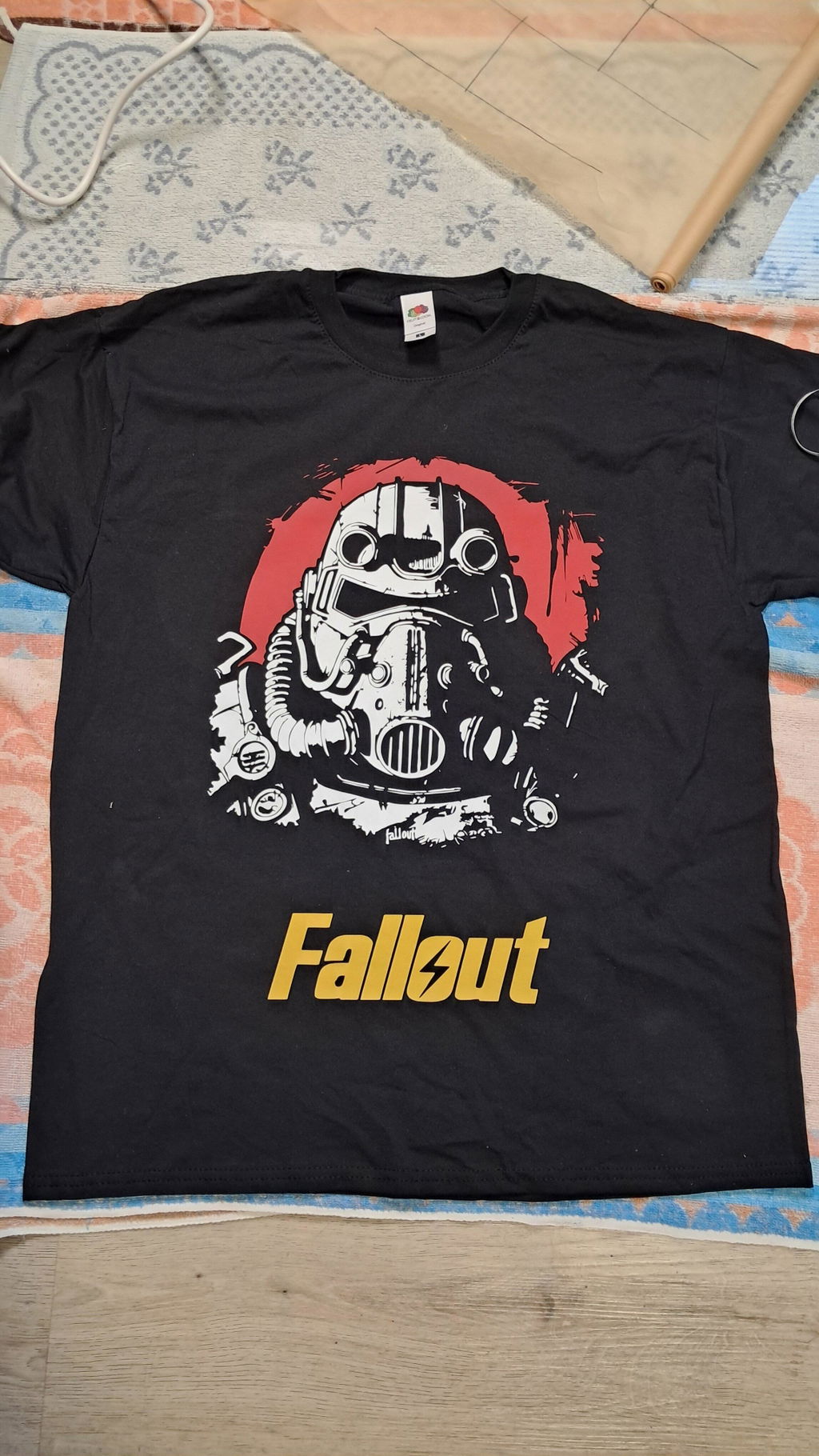
Screen printing using craft vinyl is a simple alternative to traditional screen printing where adhesive craft vinyl works as a stencil instead of using photo emulsion. A mirrored design is first created in a cutting machine such as a Cricut or Silhouette Cameo and cut from permanent adhesive vinyl. The design is then weeded and transferred onto the back (flat side) of a silk screen frame using transfer tape.
After sealing the open mesh edges with painter’s tape, fabric ink is pulled across the screen with a screen printing squeegee so the ink passes through the exposed areas and transfers the design onto fabrics such as t-shirts, tote bags, or other printable surfaces. Because it removes the need for photo emulsion exposure and complex setup, this method is widely used for DIY printing, craft projects, and small-batch apparel production.
Materials Needed For Screen Printing Using Craft Vinyl
Before starting, gather the following tools and materials:
Essential Supplies
- Craft vinyl (permanent adhesive vinyl works best)
- Cutting machine (Cricut, Silhouette, or similar)
- Screen printing frame with mesh
- Screen printing ink
- Squeegee
- Transfer tape
- Fabric or garment (t-shirt, tote bag, etc.)
- Painter's tape
- Weeding tools
Using high-quality vinyl and screen printing ink will significantly improve the final print quality.
Step-By-Step Guide: How To Screen Print Using Craft Vinyl
|
Steps
|
Process
|
Description
|
|
Step 1
|
Create and Cut Your Design
|
Create the artwork in cutting software and cut it from permanent craft vinyl using a cutting machine.
|
|
Step 2
|
Weed the Vinyl to Create the Stencil
|
Remove the unwanted vinyl pieces so the open areas form the printing stencil.
|
|
Step 3
|
Apply the Vinyl Stencil to the Screen
|
Transfer the vinyl stencil to the back side of the screen mesh so it blocks the ink in unwanted areas.
|
|
Step 4
|
Tape the Screen Edges
|
Seal the screen edges with tape to prevent ink from leaking outside the design.
|
|
Step 5
|
Prepare the Printing Surface
|
Lay the fabric flat and place cardboard inside to stop ink from bleeding through.
|
|
Step 6
|
Apply Ink and Print the Design
|
Spread fabric ink across the screen with a squeegee so it passes through the stencil onto the fabric.
|
|
Step 7
|
Lift the Screen and Allow the Print to Dry
|
Lift the screen carefully and let the printed design dry before heat setting.
|
Tips For Better Screen Printing Results
To improve your prints, consider the following tips:
- Use permanent adhesive vinyl for stronger stencil adhesion
- Apply the stencil to the inside of the screen for sharper edges
- Press the stencil firmly to prevent ink bleeding
- Use consistent squeegee pressure for even ink distribution
- Clean the screen immediately after printing
These small adjustments can significantly improve the quality of your prints.
Common Mistakes To Avoid
- Using very thin or overly detailed designs
- Not pressing the vinyl stencil firmly onto the screen mesh
- Printing on wrinkled or uneven fabric
- Forgetting to heat set the ink after printing
- Not sealing screen edges with tape
- Applying uneven squeegee pressure
- Using too much ink
Frequently Asked Questions
Q. Can You Screen Print Without Emulsion?
Yes. Craft vinyl can be used as a stencil on a screen instead of photo emulsion. The adhesive vinyl blocks the mesh areas while the open parts allow ink to pass through during printing.
Q. How to screen print using craft vinyl on fabric?
Screen printing on fabric using craft vinyl works by cutting a vinyl stencil with a cutting machine, applying it to a screen mesh, and pushing fabric ink through the open design areas with a squeegee. The print is then dried and heat set to make it durable and washable.
Q. What Type of Vinyl Is Best for Screen Printing?
Permanent adhesive vinyl works best because it sticks firmly to the screen mesh and prevents ink from bleeding under the stencil.
Q. Can the Vinyl Stencil Be Reused?
In most cases, vinyl stencils are designed for short runs and may not last for many prints. However, they can usually be reused several times if handled carefully.