Posted By TeckWrap Craft On February 25, 2026

Craft vinyl is generally safe for everyday crafting, but you should use it with care due to its material composition. Most craft vinyl is made from polyvinyl chloride (PVC), a plastic that may include additives such as phthalates and trace heavy metals. In its finished, solid form, it is typically low-risk for consumers. However, when vinyl is heated, burned, or heavily cut, it can release volatile organic compounds (VOCs) and irritating fumes.
VOCs (volatile organic compounds) are gases that can be released when certain materials are heated, and in high concentrations may cause irritation to eyes or respiratory systems. In short, craft vinyl is not highly toxic under normal room-temperature use, but proper ventilation and careful handling,especially during heat application,are strongly recommended for safer crafting.
What Materials Are Used In Craft Vinyl?
Most craft vinyl is made from polyvinyl chloride (PVC), a durable and adaptable plastic widely used for its reliable performance.Crafters prefer this material because it is:
- Flexible
- Strong and long-lasting
- Water-resistant
- Easy to cut, weed, and apply
To improve flexibility, manufacturers add plasticizers, often including phthalates. They also mix in pigments for color and stabilizers to enhance durability and shelf life.
In its solid sheet form, craft vinyl remains stable and low risk. Potential concerns usually arise only when the material is exposed to excessive heat or burning.
How Can Craft Vinyl Be Harmful?
Under normal crafting conditions, risks are low. However, certain situations may increase exposure:
-
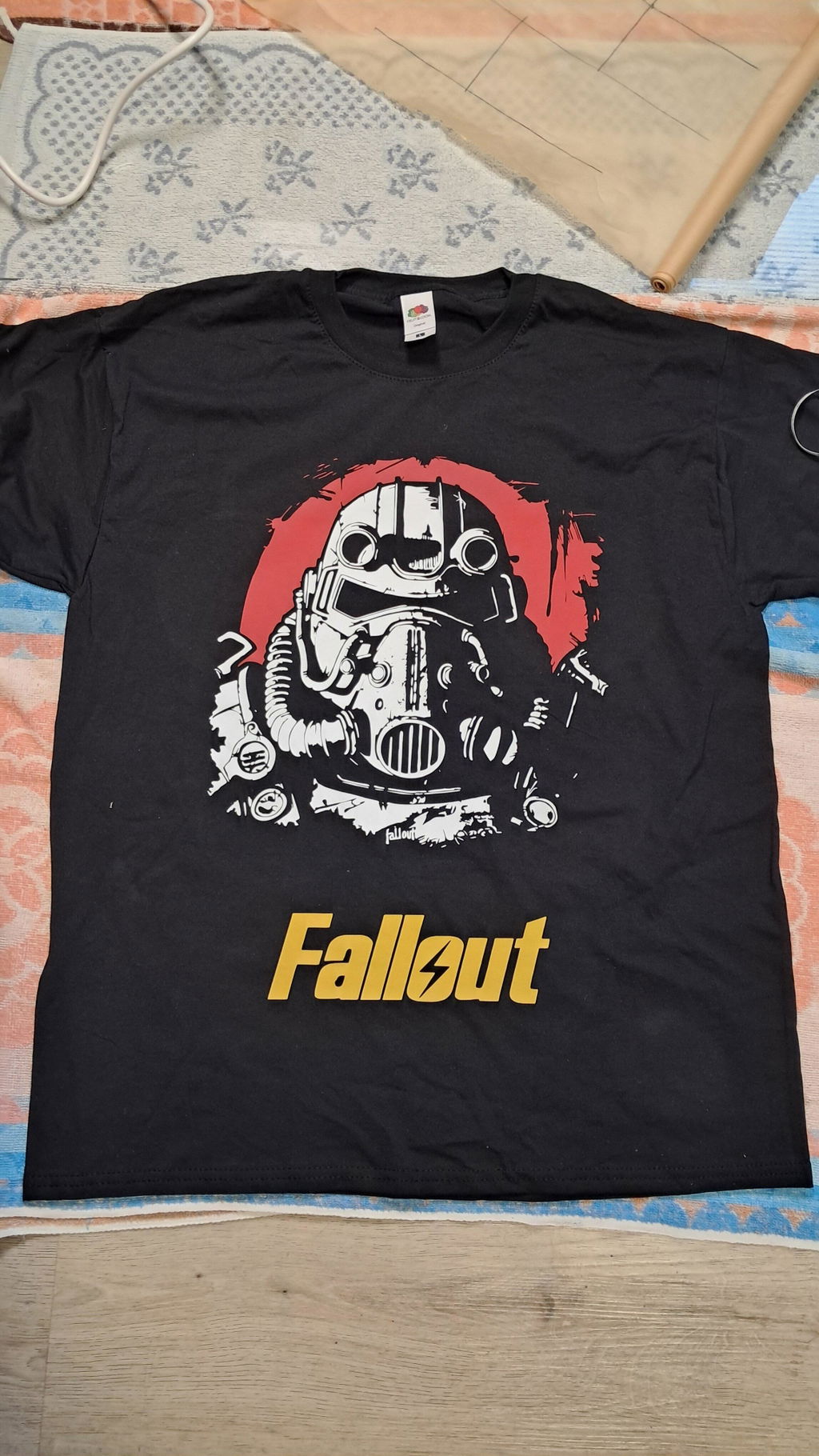
Heating (Heat Transfer Vinyl - HTV)
When using a heat press or iron, vinyl is exposed to elevated temperatures. If overheated, it can release mild fumes or VOCs. Proper ventilation significantly reduces this risk.
-
Burning or Melting
Burning PVC can release more hazardous chemicals, including hydrogen chloride gas and other toxic byproducts. Vinyl should never be intentionally burned.
-
Poor Ventilation
Working in a closed room without airflow can increase exposure to fumes, especially during heat application.
Is Craft Vinyl Toxic To Humans?
Craft vinyl is made from PVC (polyvinyl chloride), which can contain additives like phthalates, lead, and cadmium. While vinyl is safe for most crafting activities when used correctly, it can release toxic fumes when heated, cut, or burned. These fumes may cause respiratory irritation and other health concerns. Long-term exposure to chemicals like vinyl chloride has been linked to more serious risks, including cancer. To ensure safety, always use craft vinyl in a well-ventilated area and follow the recommended temperature guidelines.
How To Use Craft Vinyl Safely
To minimize any potential health concerns:
- Work in a well-ventilated area
- Follow manufacturer temperature guidelines
- Avoid overheating
- Do not burn scraps
- Wash hands after extended handling
- Store vinyl away from heat sources
These simple precautions make craft vinyl safe for routine creative projects.
Craft Vinyl: Types & Safety Concerns
Not all vinyl products are identical. Here’s how common types compare:
-
Adhesive vinyl: Applied at room temperature; lower risk.
-
Heat transfer vinyl (HTV): Requires heat; proper ventilation recommended.
-
Removable vinyl: Similar composition to adhesive vinyl but designed for temporary use.
The primary safety factor is not the vinyl type itself, but how it is used.

Final Verdict: Is Craft Vinyl Toxic?
Craft vinyl is not highly toxic during normal use. It becomes potentially harmful only when overheated, burned, or used in poorly ventilated spaces. When handled responsibly, it remains a safe and widely used material for DIY projects, small businesses, and creative hobbies.
In short, with proper ventilation and correct temperature use, craft vinyl can be used safely and confidently in most crafting environments.