No. You do not mirror permanent vinyl or any adhesive vinyl. Mirroring is only needed for heat transfer vinyl (HTV), which is cut from the back of the material. Adhesive vinyl is cut from the front, so the design transfers exactly as you see it on screen.
This is one of the most common questions beginners ask when starting out with vinyl crafts, and it makes sense because mirroring rules are different depending on which type of vinyl you are working with. Get it wrong and your design ends up backwards on your mug or tumbler.
This guide covers the mirroring rule for every vinyl type, explains why the rule is different for HTV, and includes the one situation where you do mirror adhesive vinyl.
HTV is cut from the back (matte adhesive side up). Without mirroring, the design appears backwards after pressing onto fabric.
Printable HTV for dark fabrics
No
This type is applied face up on the fabric. No mirroring needed before printing.
Printable HTV for light fabrics
Yes
This type is applied face down. Mirror before printing so the design reads correctly after transfer.
What to Know About Adhesive Vinyl
Adhesive vinyl is used to customise hard surfaces like plastic, glass, metal, ceramic, and wood. It works like a sticker. Both permanent and removable adhesive vinyl have the same basic construction: a colored vinyl layer on top, a pressure-sensitive adhesive in the middle, and a paper backing on the bottom.
When you place adhesive vinyl in a cutting machine, the colored vinyl side faces up toward the blade. The paper backing faces down onto the cutting mat. Because you are cutting from the top down, the design is already reading the right way. When you transfer it to a surface, it goes on exactly as it looked when you cut it. That is why you never mirror adhesive vinyl.
Think of it like a sticker. When you buy a sticker, you do not flip it before pressing it onto a surface. Adhesive vinyl works the same way. The colored top layer is what you see and what gets transferred.
What Does Mirroring Mean in Vinyl Cutting?
Mirroring means flipping the design horizontally in your cutting software before sending it to cut. In Cricut Design Space, this is done by selecting the design and clicking Flip Horizontally. In Silhouette Studio, right-click the design and select Flip Horizontally.
When you mirror a design, text that reads left to right normally will appear to read right to left on screen. This is intentional for HTV because the design will be flipped back over during application. For adhesive vinyl, you never do this because the design does not get flipped at any point in the process.
Why Does HTV Need Mirroring but Adhesive Vinyl Does Not?
This is the part that trips most people up, and it comes down to how each vinyl type is applied.
Adhesive Vinyl: No Mirror
You cut the design with the colored side facing up. After cutting and weeding, you apply transfer tape to the top of the design to lift it off the backing sheet. You place the design directly onto your surface, colored side facing up, and peel the transfer tape away. The design goes on exactly as it was cut. No flip at any point.
Heat Transfer Vinyl: Mirror Required
HTV has a shiny plastic carrier sheet on top and the vinyl with heat-activated adhesive underneath. You load HTV with the shiny carrier sheet facing down and the matte adhesive side facing up toward the blade. The design is cut from the back. When you flip the HTV over to press onto fabric, the design would read backwards without mirroring. Mirroring beforehand corrects for this flip.
The One Case Where You DO Mirror Adhesive Vinyl
There is one situation where you should mirror permanent vinyl before cutting.
Important Exception
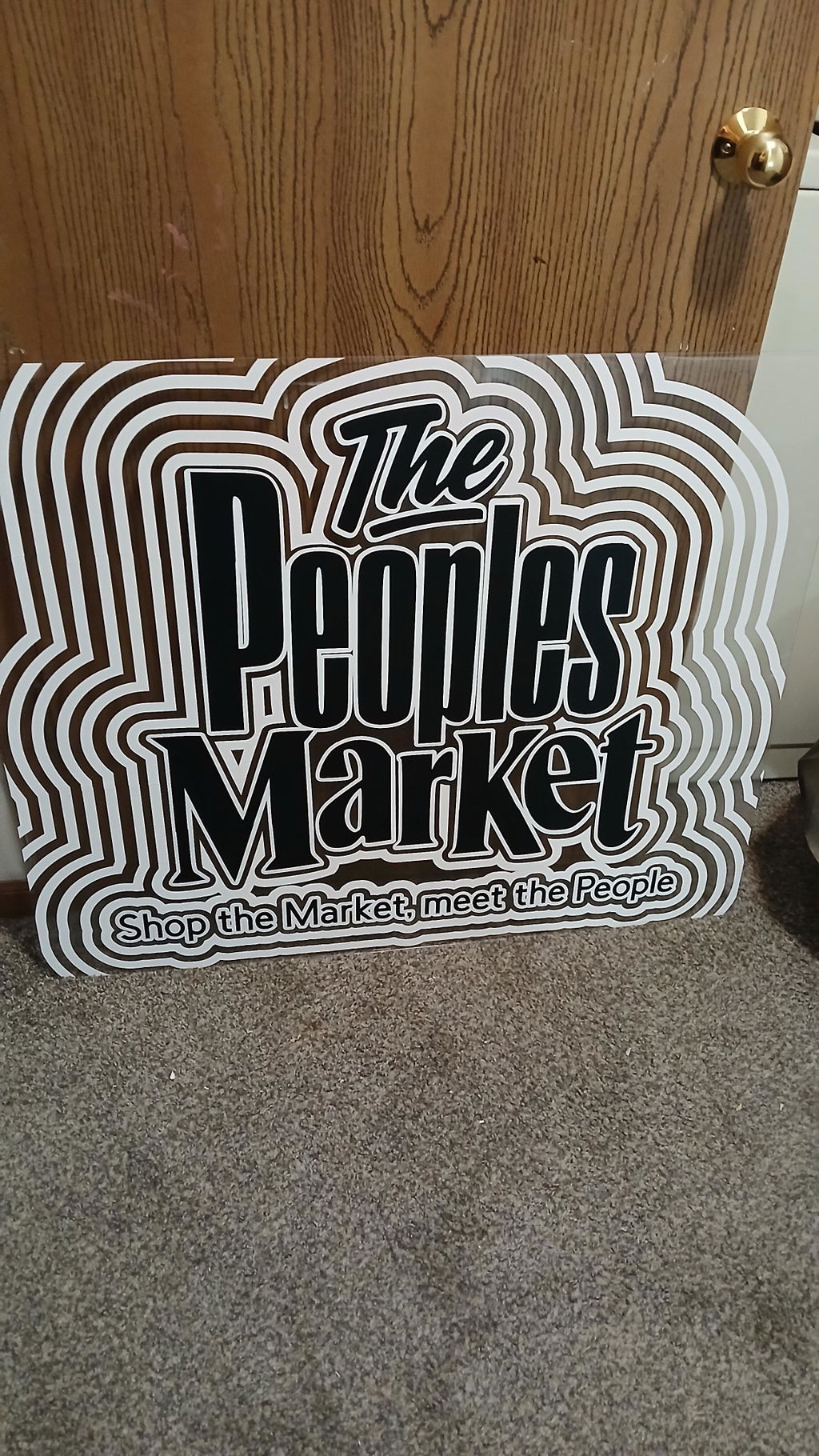
Mirror adhesive vinyl when applying it to the back of a clear glass or clear acrylic surface. Because the design shows through from the front, it needs to be applied in reverse so it reads correctly to someone looking at it from the other side.
This applies to: glass frames viewed from the front, clear acrylic signs where the vinyl goes on the back panel, and glass windows where the decal is on the inside but meant to be read from outside.
Which Side of Permanent Vinyl Goes Down on the Cutting Mat?
For permanent adhesive vinyl, the paper backing goes down on the cutting mat and the colored vinyl side faces up toward the blade. This is the opposite of HTV.
Vinyl Type
Faces the Mat (Down)
Faces the Blade (Up)
Adhesive vinyl (permanent or removable)
Paper backing
Colored vinyl side
Heat transfer vinyl (HTV)
Shiny carrier sheet
Matte adhesive side
Permanent Vinyl vs Removable Vinyl
Both types of adhesive vinyl follow the same no-mirror rule, but they are designed for different uses. Choosing the wrong one before starting a project is a common mistake.
Permanent Vinyl
Strong adhesive that bonds firmly to smooth surfaces. Water-resistant and holds up to regular washing. Best for car decals, outdoor signs, tumblers, mugs, mason jars, and anything handled frequently or exposed to moisture.
Difficult to remove without damaging the surface. If applied to a painted wall and later removed, the paint may come away with it. If there is any chance you will want the decal off later, use removable vinyl instead.
Removable Vinyl
Lower-tack adhesive that peels off cleanly without leaving residue or damaging the surface. Best for indoor walls, temporary decorations, seasonal displays, renter-friendly decor, labels, and stencils.
Not built for outdoor use or surfaces that get wet regularly. Moisture and harsh conditions will cause removable vinyl to lose adhesion and start lifting over time.
What Is Permanent Vinyl Used For?
Permanent vinyl works on any clean, smooth, hard surface. These are the surfaces it bonds well to:
Permanent vinyl is not recommended for fabric or porous surfaces. For garments, cushions, and fabric accessories, use heat transfer vinyl instead.
How to Cut & Apply Permanent Vinyl: Step by Step
Here is the streamlined process for working with permanent adhesive vinyl from design to finished project.
1 Prepare and Size Your Design
Open your design in Cricut Design Space or Silhouette Studio. Set the dimensions to match the surface where the decal will go. Measure the surface first using a ruler or measuring tape, then adjust the design size in the software to match. Do not mirror the image.
Tip: For Cricut, select Regular Adhesive Vinyl in the material settings. For Silhouette, choose Vinyl. Both default to the correct cut depth and speed for standard adhesive vinyl.
2 Run a Test Cut
Before cutting your full design, run a test cut on a small corner of the vinyl sheet. This checks whether the blade is cutting cleanly through the vinyl without cutting into the paper backing. If the cut is too shallow, increase the blade depth slightly. If the backing is cut, reduce it.
Tip: The blade should cut through the vinyl layer only. Peel the test cut cleanly while the paper backing stays flat and intact underneath.
3 Cut and Weed the Design
Load the vinyl onto the cutting mat with the paper backing down and the colored vinyl side facing up. Let the machine cut the design. After cutting, use a weeding tool or tweezers to remove all the excess vinyl from around the design. Work under good lighting and take your time with fine details or small letters.
Tip: Keep the design visible on screen or as a printout while weeding so you can track which pieces should stay and which come out.
4 Apply Transfer Tape
Cut a piece of transfer tape slightly larger than your design. Lay it over the weeded vinyl and burnish firmly with a squeegee or a credit card to make sure the transfer tape picks up all parts of the design. The whole design should now stick to the transfer tape.
5 Apply to Your Surface
Make sure the surface is clean, dry, and free from dust, oils, and fingerprints. Peel the paper backing away from the vinyl slowly, keeping it attached to the transfer tape. Position the design on the surface, press it down firmly, and burnish with a squeegee from the center outward to remove air bubbles. Peel the transfer tape back slowly at a low angle.
Tip: For curved surfaces like mugs or tumblers, work in small sections and use the squeegee to press the vinyl around the curve gradually. Apply at room temperature for best adhesion.
Project Ideas Using Permanent Vinyl
Here are three popular projects that work well with TeckWrap Craft permanent adhesive vinyl.
Custom Tumblers and Mason Jars
Use TeckWrap Craft color-changing vinyl on glass or stainless steel tumblers. The UV-reactive formula changes color in sunlight, making each design unique. Water-resistant and holds up to regular washing.
Beer Can Glasses and Acrylic Organizers
Simple text decals or monogram designs look sharp on clear glass. Use standard matte or glossy permanent vinyl. For a custom organizer, cut label designs and apply directly to the front of each section.
Outdoor Signs and Business Signage
Permanent vinyl handles UV exposure, rain, and temperature changes well. Use reflective vinyl for signage in low-light areas. Apply to smooth metal, wood, or acrylic sign blanks for a professional finish.
Frequently Asked Questions
No. Permanent vinyl is not mirrored before cutting. The colored side of permanent vinyl faces up toward the cutting blade, so the design cuts exactly as it reads on screen and transfers directly to the surface. Mirroring permanent vinyl would result in a backwards design.
No. Adhesive vinyl, whether permanent or removable, should never be mirrored before cutting. Mirroring is only required for heat transfer vinyl because HTV is cut from the back of the material and gets flipped during application.
The paper backing of permanent vinyl faces down on the cutting mat. The colored vinyl side faces up toward the cutting blade. This is the opposite of heat transfer vinyl, where the shiny carrier sheet goes face down on the mat.
Yes. Heat transfer vinyl must always be mirrored before cutting. HTV is loaded with the matte adhesive side facing up toward the blade. When you flip it over to press onto fabric, the design would appear backwards if you had not mirrored it first.
No. Cricut permanent vinyl is adhesive vinyl and is never mirrored. In Cricut Design Space, simply do not select Flip Horizontally when setting up your design. The image should read normally on screen before you send it to cut.
No. Removable vinyl follows the same rule as permanent vinyl and is never mirrored before cutting. The design cuts and transfers exactly as it appears on your screen. Only heat transfer vinyl requires mirroring before cutting.
If you cut adhesive vinyl with mirroring applied, the design will transfer backwards on your surface. Text will read right to left and any asymmetrical design will be reversed. The only fix is to discard the cut piece and cut a fresh piece with the mirror setting removed.
Mirror adhesive vinyl only when applying it to the back of a clear surface such as clear glass or acrylic where the design will be viewed from the opposite side. In this case, mirroring makes the design read correctly when seen through the front of the surface.
Wrapping Up
The rule for permanent vinyl is simple: never mirror it. Adhesive vinyl of any type, whether permanent or removable, is cut from the front with the colored side facing up, so it transfers exactly as it appears on screen. Heat transfer vinyl is the one that requires mirroring because it is cut from the back and flipped during application.
The one exception to remember is that adhesive vinyl should be mirrored when applying to the back of a clear glass or acrylic surface where the design will be viewed from the front.
Shop TeckWrap Craft permanent and removable adhesive vinyl for your next project.
These are the exact same texture and sheets that I am able to buy at Walmart. The green shirt is using your product, step by step instructions and the black is the product that I ordered from Walmart at 1/2 the price
I bought this big roll awhile back and never had to worry about strategically cutting my designs to fit into a short roll. I had all the vinyl in the world and I knew that I could easily take on big projects because my mega roll of 001M was always there. The peace of mind was definitely worth the purchase.