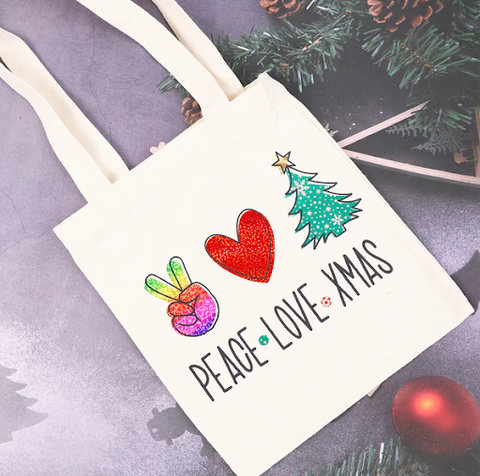
The best fabrics for heat transfer vinyl (HTV) are 100% cotton, cotton-polyester blends, and polyester. Cotton handles the highest heat (305 to 320°F) and gives the strongest bond. Polyester needs lower heat (270 to 300°F) to prevent scorching and dye migration. For athletic and stretch wear, use a stretchable PU HTV. Fabrics to avoid: nylon, acrylic, sheer fabrics, and anything with a water-repellent or moisture-wicking coating that has not been tested first.
Heat transfer vinyl (HTV) bonds to fabric using heat and pressure. Choosing the right fabric is just as important as choosing the right HTV. The correct fabric withstands pressing temperatures, holds the adhesive firmly, and keeps the design intact through repeated washing. This guide covers temperature settings by fabric type, which HTV works best on each fabric, fabrics to avoid, application tips, and care instructions.
Use this table as a starting reference. Always do a test press on a spare scrap before pressing your full garment.
Fabric
Temperature
Time
Pressure
Peel
HTV Type
100% Cotton
305 to 320°F (152 to 160°C)
10 to 15 sec
Medium-firm
Cold
PU HTV
Polyester
270 to 300°F (132 to 149°C)
10 to 12 sec
Medium
Warm
PU HTV
Poly-cotton blend 50/50
295 to 310°F (146 to 154°C)
10 to 15 sec
Medium
Warm or cold
PU HTV
Denim (100% cotton)
305 to 320°F
10 to 15 sec
Firm
Cold
PU HTV
Canvas
300 to 315°F
10 to 15 sec
Firm
Cold
PU HTV
Hoodies / Sweatshirts
300 to 315°F
10 to 15 sec
Medium
Cold
PU HTV
Poly-spandex / Stretch
265 to 280°F (129 to 138°C)
8 to 10 sec
Light-medium
Warm
Stretch HTV
Hats / Caps (cotton)
280 to 305°F
8 to 12 sec
Medium
Warm
PU HTV
Best Types of Fabric for Heat Transfer Vinyl Printing
Ring-Spun Cotton
The easiest and most popular fabric for HTV printing is 100% ring-spun cotton. Ring-spun cotton is made by twisting and thinning cotton strands before weaving, which produces a smoother, softer surface than regular cotton. This smooth surface allows HTV to bond evenly and cleanly. TeckWrap Craft PU HTV works well on ring-spun cotton t-shirts, hoodies, and tote bags.
Cotton withstands the highest pressing temperatures, making it the most forgiving fabric for beginners. Pre-wash cotton garments before pressing to prevent post-press shrinkage. Pre-press the garment for 5 seconds before applying the design to remove moisture and wrinkles.
Temperature305 to 320°F (152 to 160°C)
Time10 to 15 seconds
PressureMedium-firm
PeelCold peel
Best HTVPU HTV. All TeckWrap HTV types work on 100% cotton.
Polyester
Polyester is a synthetic fabric known for strength, wrinkle resistance, and the ability to retain its shape over time. It is widely used for sportswear, athletic shirts, performance wear, and moisture-wicking garments. Polyester holds HTV well but requires lower pressing temperatures than cotton to prevent scorching, colour changes, or dye migration.
Dye migration is a specific risk with sublimated polyester shirts. When heat is applied to a sublimated garment, the fabric dye can bleed into the HTV and change its colour. To prevent this: use the lowest effective pressing temperature, keep press time as short as possible, and use a dye-blocking HTV type on brightly coloured sublimated polyester.
Do not exceed 300°F on polyester. Temperatures above this can cause scorching, colour changes, or permanent press marks on the fabric. Always use a Teflon sheet and warm peel on polyester.
Temperature270 to 300°F (132 to 149°C)
Time10 to 12 seconds
PressureMedium
PeelWarm peel
Best HTVPU HTV for synthetics. Stretch PU HTV for stretch polyester.
Poly-Cotton Blends
A 50/50 or 60/40 cotton-polyester blend combines the breathability of cotton with the durability and stretch resistance of polyester. These blends are among the most common fabric types for everyday t-shirts and casual wear. HTV bonds well to poly-cotton blends at moderate pressing temperatures.
The higher the cotton content, the more heat the fabric can handle. A 60/40 cotton-poly blend can be pressed closer to the cotton setting. A 40/60 cotton-poly blend should be pressed closer to the polyester setting. When in doubt, start at the lower temperature and increase slightly if the HTV does not adhere fully.
Temperature295 to 310°F (146 to 154°C)
Time10 to 15 seconds
PeelWarm or cold
Denim
Denim is a sturdy cotton twill fabric. Authentic denim is made of 100% cotton, which means it handles high pressing temperatures well. HTV adheres strongly to denim and produces a professional look on jeans, jackets, bags, and accessories. The challenge with denim is that it does not have a perfectly flat surface. The twill weave creates slight texture that can reduce adhesion if pressure is not sufficient.
Most manufacturers now add a small amount of spandex to denim for flexibility. If your denim contains spandex, reduce the pressing temperature by 10 to 15 degrees F and use medium rather than firm pressure to avoid crushing the stretch fibers.
Use a lower heat press platen (rubber pad, usually included with the heat press machine) placed under the garment when pressing denim. This evens out the uneven surface and gives the HTV full contact with the fabric.
Temperature305 to 320°F
Time10 to 15 seconds
PressureFirm
PeelCold peel
Best HTVPU HTV
Canvas
Canvas is a plain woven fabric typically made from cotton or a cotton-polyester blend. Its slightly textured surface actually helps the HTV tack bond for a long-lasting design. Tighter canvas weaves give better adhesion. Looser weave canvas may cause the vinyl to lift over time if not pressed with sufficient pressure.
Canvas tote bags, aprons, shoes, and pillowcases all take HTV well. Because canvas is thicker than a standard t-shirt, increase pressure slightly when pressing. HTV designs hold up well on canvas and make it a practical choice for branded merchandise and personalised gifts.
Temperature300 to 315°F
Time10 to 15 seconds
PressureFirm
PeelCold peel
Hoodies and Sweatshirts
Hoodies and sweatshirts are typically made of cotton, polyester, or a blend of both with a fleece or French terry interior. The outer surface where HTV is applied is usually smooth enough for a good bond. Press the garment flat before pressing the design to avoid creating a fold or crease in the HTV.
For thick hooded sweatshirts, the zipper pocket area and hood seams create uneven surfaces that can affect pressing quality. Always press on the flattest area of the garment and avoid pressing over seams or pockets where possible.
Temperature300 to 315°F
Time10 to 15 seconds
PeelCold peel
Hats and Caps
Hats and caps are one of the more challenging items for HTV application because of the curved surface. A cap heat press attachment or a dome press is the right tool for hats. Attempting to press a hat on a flat platen will result in uneven pressure and sections of the design that do not adhere.
Most hats are made of cotton, poly-cotton, or polyester. Check the label before pressing. Keep designs small and centred on the front panel for the best result.
Temperature280 to 305°F
Time8 to 12 seconds
PressureMedium
Tool neededCap press or curved hat press attachment
Mittens & Gloves
Mittens and gloves made of cotton, fleece, or poly-cotton blends can be decorated with HTV for personalised gifts, seasonal items, and team merchandise. The curved shape requires careful positioning. Place a folded piece of cardstock or a small silicone pad inside the mitten to create a flat pressing surface before applying heat.
Fabrics to Avoid with HTV
Not all fabrics are suitable for heat transfer vinyl. Some melt, scorch, or resist adhesion under the heat press.
Fabric
Problem
Alternative
Nylon
Melts or warps at heat press temperatures. Even low heat settings can damage nylon permanently.
Use cold-application adhesive vinyl for nylon items instead of HTV.
Acrylic
Melts under heat press. Cannot withstand pressing temperatures required for HTV adhesion.
Paint or screen print acrylic garments. HTV is not suitable.
Sheer / semi-transparent fabrics
The adhesive shows through the fabric. HTV on sheer fabrics looks unprofessional and the backing layer is visible.
Use a screen print or direct-to-garment print for sheer fabrics.
Water-repellent / DWR-coated
The coating prevents the HTV adhesive from bonding to the fabric fibers. HTV peels off after one wash.
Remove the coating first with a lint roller and test press, or use a different garment.
Rayon
Very heat-sensitive. High pressing temperatures cause rayon to shrink, scorch, or lose its texture permanently.
If you must use rayon, test at the absolute lowest temperature setting with a Teflon sheet.
Burlap
Extremely open, rough weave. HTV adhesive cannot make full contact with the irregular surface. Bond is weak.
Use fabric paint or a stencil on burlap rather than HTV.
Which HTV Type Works Best on Each Fabric?
Different HTV types are suited to different fabrics. Using the wrong HTV type on a fabric can cause cracking, peeling, or poor adhesion.
Requires 300 to 320°F to activate properly. Best on cotton.
Tips When Applying HTV to Fabric
Pre-wash all garments before pressing. Washing removes the manufacturing finish from cotton and pre-shrinks the fabric. Pressing HTV onto an unwashed cotton garment may result in the design lifting or cracking after the first wash.
Pre-press for 5 seconds before applying the design. A quick pre-press removes moisture and wrinkles from the garment and gives the HTV a flat, dry surface to bond with.
Mirror the design before cutting. HTV is placed face-down with the carrier sheet up. Mirror the design in your cutting software before cutting so it reads correctly after pressing.
Always use a Teflon sheet or parchment paper. Cover the design and the surrounding fabric with a Teflon sheet before pressing. This prevents scorch marks, especially on polyester and synthetic fabrics.
Use the lower heating element for uneven surfaces. When pressing denim, hoodies with zips, or items with seams under the design, place a lower heating element or a rubber pad under the garment to even out the pressing surface.
Use the correct peel method. Cotton and denim are cold peel: let the design cool completely before removing the carrier sheet. Polyester is warm peel: remove the carrier while the design is still warm but not hot.
Wait 24 hours before the first wash. The HTV adhesive continues to cure after pressing. Washing within 24 hours weakens the bond.
Care Instructions for Garments with HTV
Wash inside out in cold water. Reduces friction against the design during the wash cycle.
Use the gentle cycle. Less mechanical stress on the HTV edges.
Use a mild detergent. Avoid bleach and fabric softener. Both degrade the HTV adhesive over time.
Air dry or use low dryer heat. High dryer temperatures can soften the HTV adhesive and cause edges to lift.
Do not iron directly on the design. Turn the garment inside out or place a cloth over the design area if ironing is needed.
Supplies Needed for HTV Garment Printing
Fabric of your choice
HTV of your choice (TeckWrap Craft PU HTV for most fabrics)
Heat press machine (EasyPress, Cap press, or flat heat press)
Weeding tool
Parchment paper or Teflon sheet
Lower heating element or rubber pad (for uneven surfaces)
Cutting machine (Cricut or Silhouette)
For temperature and time settings by specific TeckWrap Craft HTV product (PU, Glitter, Flock, Glow-in-the-Dark, and more), see the full TeckWrap Craft Heat Press Temperature Guide.
Frequently Asked Questions
The best fabrics for HTV are 100% cotton, cotton-polyester blends, and polyester. Cotton handles the highest heat (305 to 320 degrees F) and gives the strongest bond. Polyester needs lower heat (270 to 300 degrees F) to prevent scorching and dye migration. For athletic and stretch wear, use a stretchable PU HTV on poly-spandex blends.
Yes. HTV bonds to polyester when pressed at the correct lower temperature (270 to 300 degrees F), with medium pressure and a Teflon sheet. The main risks are scorching if the temperature is too high, and dye migration on sublimated polyester shirts where fabric dye can bleed into the HTV. Use the lowest effective temperature and warm peel on polyester.
Nylon and acrylic melt or warp under heat press temperatures. Sheer and semi-transparent fabrics show the adhesive through the material. Water-repellent or DWR-coated fabrics prevent the HTV from bonding. Rayon is very heat-sensitive and can scorch or shrink. Burlap has too open a weave for proper HTV adhesion.
Yes for cotton and cotton blends. Washing removes the manufacturing finish and pre-shrinks the fabric. If you apply HTV to an unwashed cotton garment, the design may crack or lift after the first wash as the fabric shrinks. For polyester, washing before pressing is also recommended to remove any finishing residue.
Cold peel means waiting until the design is fully cool before removing the carrier sheet. This is used for cotton, denim, and canvas. Warm peel means removing the carrier sheet while the design is still warm (not hot). This is used for polyester and stretch fabrics where the lower pressing temperature needs the adhesive to still be slightly active during peeling for a clean release.
Glitter HTV is not recommended for polyester. Glitter HTV requires the higher pressing temperatures suited to cotton (300 to 315 degrees F) for the thicker adhesive to bond properly. At polyester-safe temperatures, glitter HTV does not adhere well and will peel. Use glitter HTV on 100% cotton or high-cotton-content blends only.
Stretchable or Sport-Flex HTV is the right choice for poly-spandex and athletic wear. Standard HTV is not designed to flex with the fabric and will crack over time on highly stretchy materials. TeckWrap Craft PU HTV for synthetic fabrics is designed to stretch with the garment and hold through repeated wear and washing.
Use a cap press attachment or a dedicated cap heat press. A standard flat heat press cannot apply even pressure to a curved hat surface. Press at 280 to 305 degrees F for 8 to 12 seconds with medium pressure. Keep the design small and centred on the front panel. Warm peel for polyester-blend caps, cold peel for cotton caps.
Wrapping Up
The best fabrics for HTV are 100% cotton, cotton-polyester blends, and polyester. Cotton is the most forgiving and handles the highest heat. Polyester requires lower temperatures and care to avoid scorching and dye migration. For stretch and athletic wear, use a stretchable HTV type. Avoid nylon, acrylic, sheer fabrics, and water-repellent coatings.
TeckWrap Craft PU HTV works on cotton, polyester, blends, denim, canvas, hoodies, hats, and mittens. For specialty finishes such as glitter, flock, puff, or glow-in-the-dark, check the fabric compatibility table above before pressing.
Shop TeckWrap Craft heat transfer vinyl for every fabric type.
I love the quality of tech wrap. It cuts in weeds so nicely I got the bundle so I could have a little bit of all the different colors. It’s a great great product although when I did get my kit, they didn’t put my weed pen and my slap bracelets. I didn’t get those little extras. They forgot to put it in my package and I also got the other tech wrap bundle, which is the shiny iridescent bubble free bundle that comes with the weeding pen slap bracelets in the hanger so you can put all your rolls inside the hanger hanging on the back of your door. I did get that stuff in my bundle. I would definitely recommend tech wrap. It’s a great quality and priced decently.
First and last time I tried this. I followed instructions, watched videos and it still did not work. It would not come off the transfer mask and totally ruined the print and the garment so now I have to buy a new one