


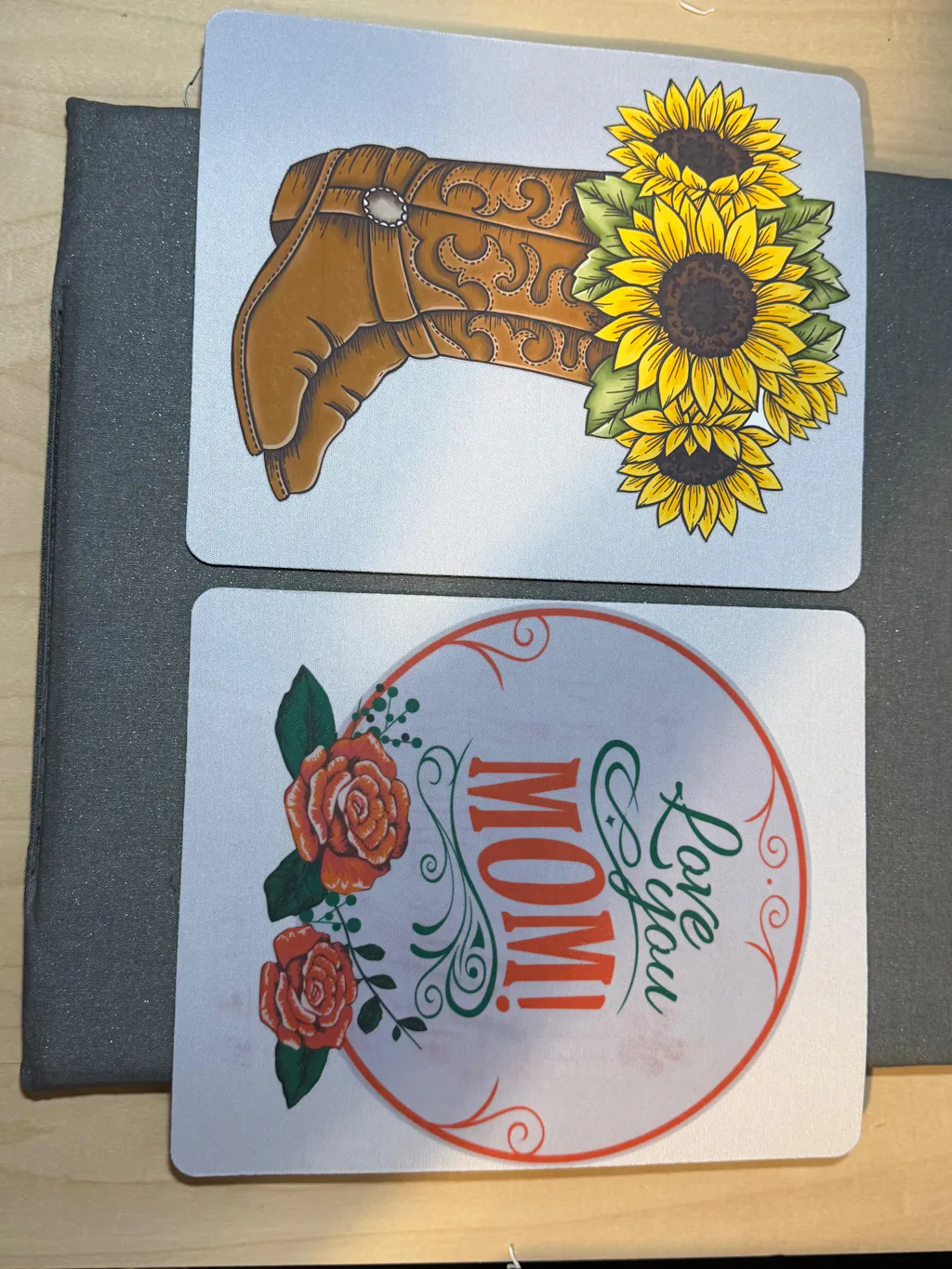
It's perfect and stunning! I trimmed my car with it abs in IN LOVE! I even did my key
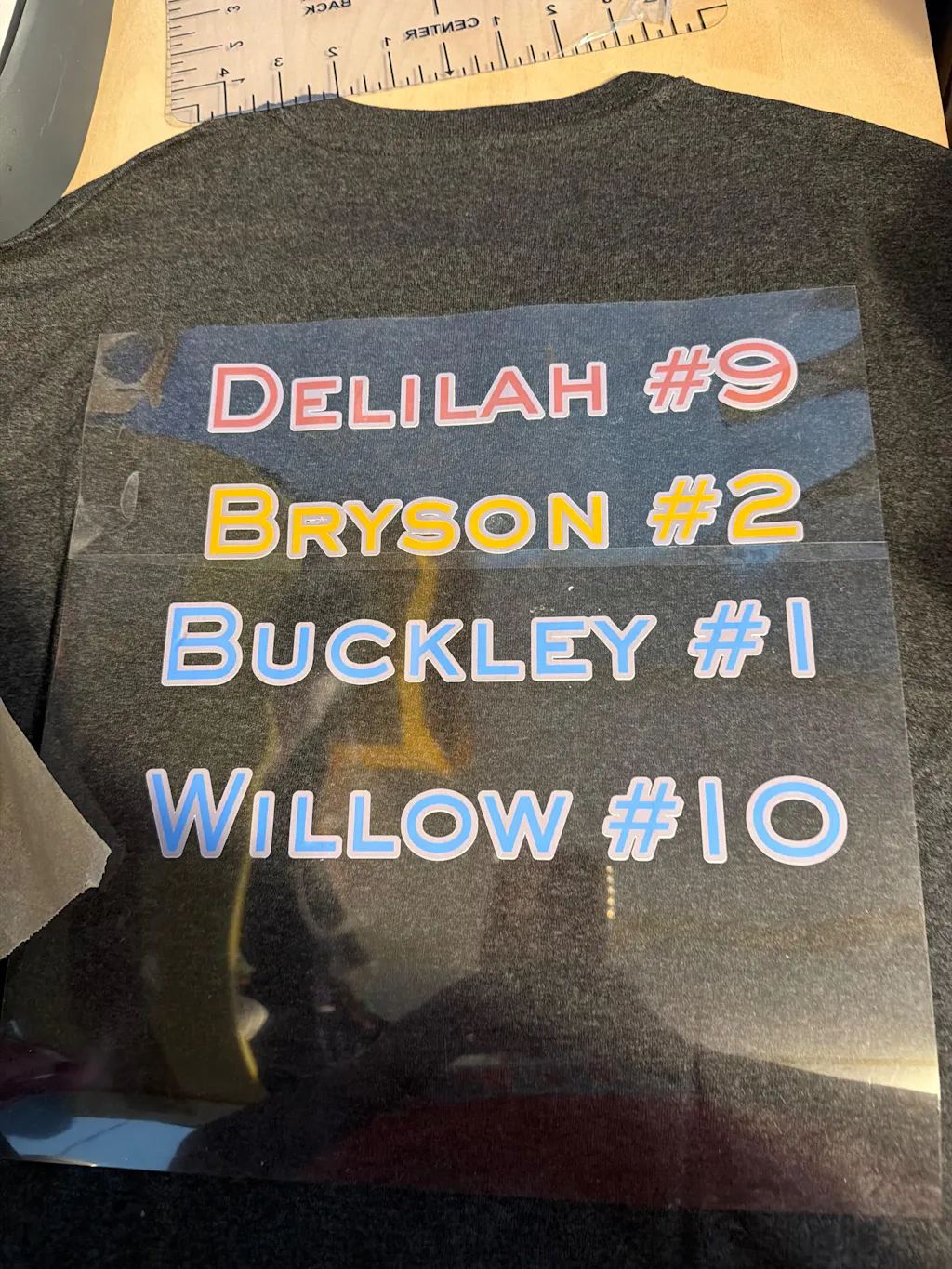
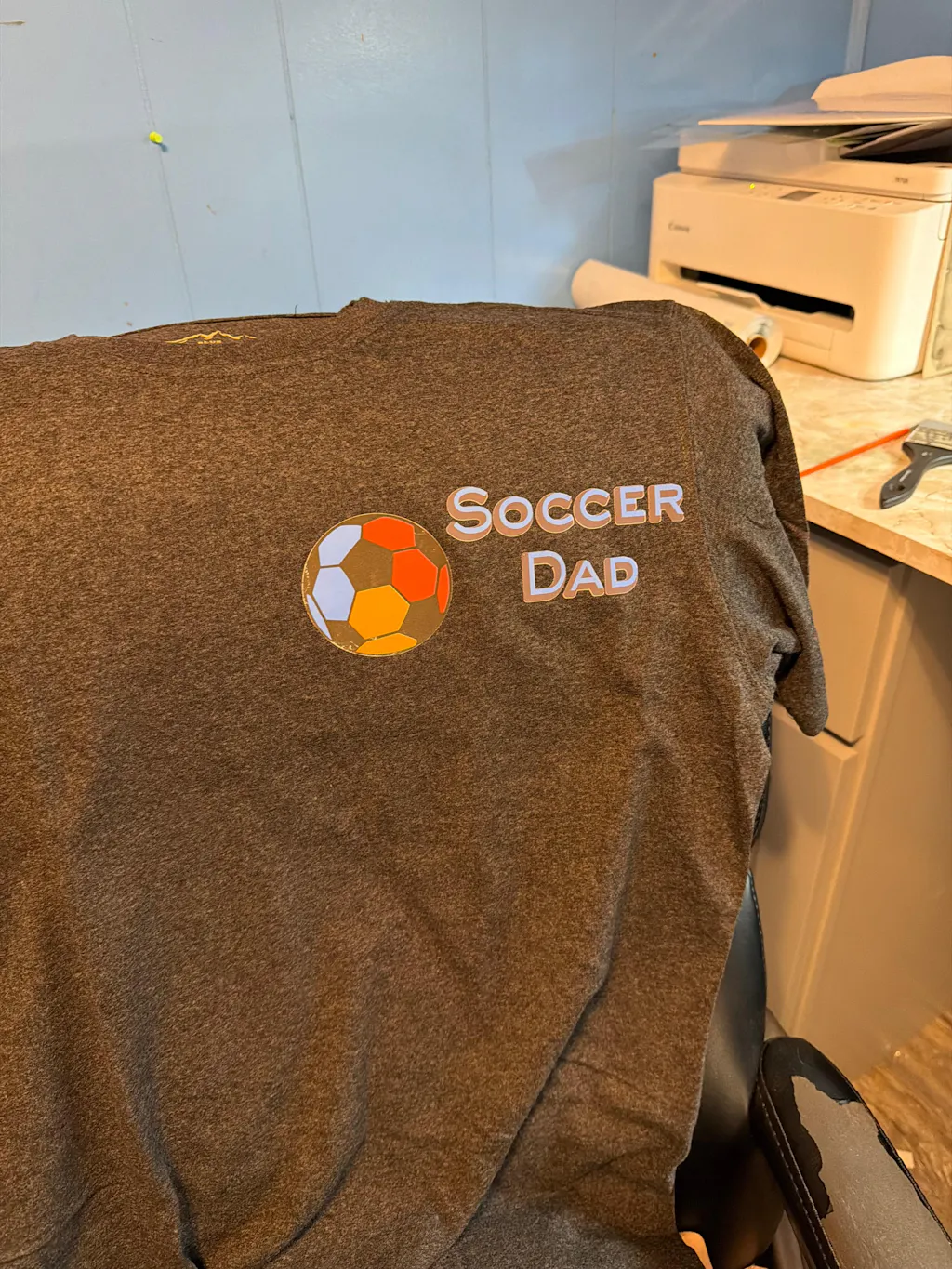
Tech wrap heat transfer paper has been a game changer for me. It took me a little to figure out how to use it but now I’d rather use this than any other iron on

To make stickers at home with a machine, you need printable sticker paper, an inkjet printer, a laminate sheet, and a cutting machine like a Cricut or Silhouette. If you do not have a cutting machine, all you need is sticker paper, a printer, a laminate sheet, and a pair of scissors. The machine just gives you cleaner cuts on more complex shapes.
Making stickers at home is something a lot of people put off because they assume it takes expensive equipment. It does not. You can make a perfectly good sticker today with just a printer, a pack of sticker paper, and a pair of scissors. The supplies you need really do depend on which method you go with and how polished you want the final result to be.
We have been helping crafters make stickers with TeckWrap Craft materials for years, from complete beginners working with scissors on their kitchen table to experienced crafters running full Cricut setups. This guide walks you through every supply you will need, explains what each one actually does, and covers three different ways to get started based on your budget.
Before going through the full list, find your situation in this table. It will send you straight to the right method so you are not buying things you do not need.
| Your Situation | Method to Use | What You Need |
|---|---|---|
| Just starting out, budget is tight | Scissors method | Sticker paper, printer, scissors, laminate sheet |
| Want cleaner cuts, no machine | Craft knife method | Sticker paper, printer, craft knife, cutting mat, laminate sheet |
| Want professional-looking results | Cricut or Silhouette | Sticker paper, printer, cutting machine, cutting mat, laminate sheet, weeding tools |
| Making stickers to sell | Cricut with Print-then-Cut | Full Cricut setup plus Canva or Design Space for designing |
| Kids craft, no materials on hand | Tape sandwich method | Regular paper, clear parcel tape, parchment paper, scissors |
Here is every item you might need, explained by what it does. You do not need all of these for every method. The ones marked Optional can be skipped if you are cutting by hand instead of using a machine.

This is the base material your design gets printed onto. It has a peel-away backing so you can stick it to any smooth, clean surface once it is cut. Sticker paper comes in different finishes: matte gives a flat, professional look; glossy makes colors pop; holographic adds a rainbow shimmer; and glow-in-the-dark is great for novelty projects.
Make sure the sticker paper you buy is labeled as compatible with your printer type before you order. Inkjet-compatible paper and laser-compatible paper are different products.
You need a printer to get your design onto the sticker paper. Inkjet printers are the right choice here because they give richer, more saturated color output on sticker paper compared to laser printers, and they are compatible with far more sticker paper types.
Laser printers can work but they need specifically compatible sticker paper, and the results on glossy finishes tend to be less bold. For most home sticker projects, your standard inkjet printer is all you need. Popular options for sticker making include the Epson EcoTank ET-8550, Canon Pixma Pro-200, and HP ENVY 5055.
A laminate sheet is a clear protective film you press over your printed design. It makes the sticker waterproof, scratch-resistant, and much longer-lasting. Without it, inkjet ink can smudge when it gets wet and the colors fade faster from handling and light exposure.
You do not need a laminating machine. Most sticker laminate sheets are cold-apply, meaning you just peel and press them by hand. They come in several finishes: glossy, matte, holographic, and more specialty options. Choose based on the look you are going for.
A cutting machine like a Cricut Explore Air 2, Cricut Maker, or Silhouette Cameo cuts precise shapes around your printed designs automatically using the Print-then-Cut feature. The machine reads small registration marks that are printed on the sticker sheet and cuts exactly around each design, even on complex or curved shapes.
If you do not have one, scissors or a craft knife work perfectly well for simpler shapes. The machine becomes worth it when you are making stickers regularly or need very detailed cuts that are hard to do by hand.
If you are using a Cricut or Silhouette, you need a cutting mat to hold the sticker sheet flat and in position while the machine cuts. For most sticker paper, a standard grip green mat is the right choice. If your sticker paper is lightweight, go with a light grip blue mat because it will not damage or tear the sheet when you peel it off after cutting.
Weeding tools are used to remove small pieces of material from inside or around your cut design. If your sticker has an intricate shape with holes or negative spaces inside it, you use a weeding tool or fine-point tweezers to pick out those small cut pieces from the sticker sheet. You only need this step if your design has those kinds of cut-out details.
A squeegee or brayer helps press the laminate sheet down flat onto your sticker without trapping air bubbles underneath. It also helps when applying finished stickers to a surface, pressing them down firmly for a strong bond. A credit card or loyalty card works in a pinch for smaller sheets.
Transfer tape lets you move a cut design from its backing paper onto a surface without the pieces shifting out of position. It is most useful when applying a large sticker or when you need to place a design in a very precise spot. For most home sticker projects, you can apply stickers directly by hand without needing transfer tape at all.
You need software to create or prepare your design before printing. Canva is free, runs in a browser, and is good for beginners. Procreate on an iPad is popular for hand-drawn sticker styles. Adobe Illustrator is the choice for professional vector work. If you are using a Cricut, you will need to use Cricut Design Space to set up Print-then-Cut, even if you originally designed in Canva or Photoshop and import it from there.
These steps work whether you are using a cutting machine or scissors. The process is the same right up to the cutting stage, which is where the two paths go different ways.

You do not need a Cricut or any other machine to make stickers. Here are three methods that work with supplies most people already have at home.

This is the simplest and most affordable way to get started. It works well for designs with basic shapes like rectangles, circles, or rounded squares.
A craft knife and cutting mat give you considerably cleaner edges than scissors, especially on designs with curves or fine detail. This is a good middle ground before investing in a cutting machine.
This method needs no sticker paper, no printer ink on sticker paper, and no laminate sheet. It is a good quick craft for kids or for when you want to make stickers with whatever is in the house.
A Cricut machine handles the cutting step automatically with a lot more precision than you can get by hand. Here is what to know before your first sticker project with one.

Most Cricut machines support Print-then-Cut including the Explore Air 2, Explore 3, Cricut Maker, and Maker 3. The Cricut Joy does not have this feature. With Joy you can only use draw-and-cut, so it is not the right choice for printed sticker sheets.
The Print-then-Cut feature works by printing a small black registration square onto your sticker sheet along with your design. When you load the sheet into the machine, Cricut's built-in sensor reads those marks and uses them to figure out exactly where to cut, even if the sheet was not loaded in a perfectly straight line.
| Setting | What to Do | Why It Matters |
|---|---|---|
| Bleed | Turn it off before printing | Bleed on causes registration marks to shift, so the machine cuts in the wrong place |
| Calibration | Run once before your first project: Menu, then Calibration, then Print-then-Cut | A calibrated machine cuts in the right spot every time |
| Cutting mat | Standard grip green for most sticker paper. Light grip blue for lightweight paper. | Wrong mat can tear lightweight paper when you remove it |
| Kiss-cut vs die-cut | Set in cut settings within Design Space | Kiss-cut leaves backing intact (sticker sheets). Die-cut cuts all the way through (individual stickers). |
Kiss-cut only cuts through the top sticker layer, leaving the backing paper intact underneath. Multiple stickers stay on one sheet and peel off one at a time. Best for sticker sheets. Die-cut cuts all the way through both the sticker and the backing, giving you individual fully separate stickers. Best for single stickers with a specific custom shape.
The right software depends on what device you are working on and how comfortable you are with design tools. Here is a straightforward comparison.
| Software | Cost | Best For | Notes |
|---|---|---|---|
| Canva | Free (Pro plan available) | Beginners | Browser-based, no download, huge library of fonts and graphics. Good for simple sticker designs. |
| Cricut Design Space | Free (some features need subscription) | Cricut users | Required for Print-then-Cut on Cricut machines. You can import designs from Canva or Photoshop into it. |
| Silhouette Studio | Free basic version | Silhouette users | Required for Silhouette machines. Has more advanced design tools than Design Space in the paid tiers. |
| Adobe Illustrator | Paid subscription | Pro designers | Best for vector designs, detailed logos, and designs you plan to scale or sell commercially. |
| Procreate | One-time purchase, iPad only | Hand-drawn styles | Great for illustrated sticker art. Pairs well with an Apple Pencil. Export as PNG and import into Design Space. |
Printed sticker paper is not waterproof on its own. Inkjet ink smudges and fades when it gets wet if there is no protective layer over it. The fix is simple: apply a laminate sheet after printing and before you cut.
| Laminate Finish | Look | Best For | Available at TeckWrap |
|---|---|---|---|
| Glossy Clear | Shiny, makes colors stand out | Bright designs, gift stickers, decorative use | Yes, A4 sheets |
| Matte Clear | Flat, no reflection | Professional labels, minimalist designs | Yes, A4 sheets |
| Holographic | Rainbow shimmer that moves with the light | Decorative stickers, planners, special editions | Yes, multiple patterns |
| Fancy | Textured shimmer | Premium-feel sticker sheets | Yes, A4 sheets |
Peel back about 2 cm of the laminate backing and align that edge with the top of your printed sheet. Press it down firmly, then slowly pull the remaining backing away with one hand while pressing the laminate flat with a squeegee in your other hand. Work from one end to the other in a single continuous pass. Do not lift and re-press. Just keep moving forward.
Startup costs vary depending on which method you go with. Here is a rough breakdown for three different setups so you know what to expect before you buy anything.
| Setup | Approx. Startup Cost | Cut Quality | Best For |
|---|---|---|---|
|
No-machine setup Sticker paper, printer, scissors, laminate sheet |
$30 to $60 | Good for basic shapes | Beginners, occasional crafting, kids projects |
|
Standard setup Adds craft knife and cutting mat to the above |
$50 to $90 | Better edges, more detail | Regular hobby crafting without a machine |
|
Full Cricut setup Cricut machine, mat, weeding tools, all materials |
$300 to $450 | Precise cuts on any shape | Regular production, selling stickers, business use |
You do not need a lot of equipment to start making stickers at home. A pack of TeckWrap sticker paper, an inkjet printer, a laminate sheet, and scissors will get you going today. When you are ready to step it up, a Cricut or Silhouette machine opens up more precise cuts and a faster workflow, which makes a big difference once you are making stickers in any kind of volume.
The best thing to do is start simple. Even a sticker you cut by hand from a design you made in Canva is a solid first project. You learn a lot from the first few sheets, and the process gets faster and easier each time.
Ready to get started? Shop TeckWrap Craft printable sticker paper in matte, glossy, holographic, and glow-in-the-dark finishes.
Shop Sticker PaperMore Articles You’ll Find Helpful


!