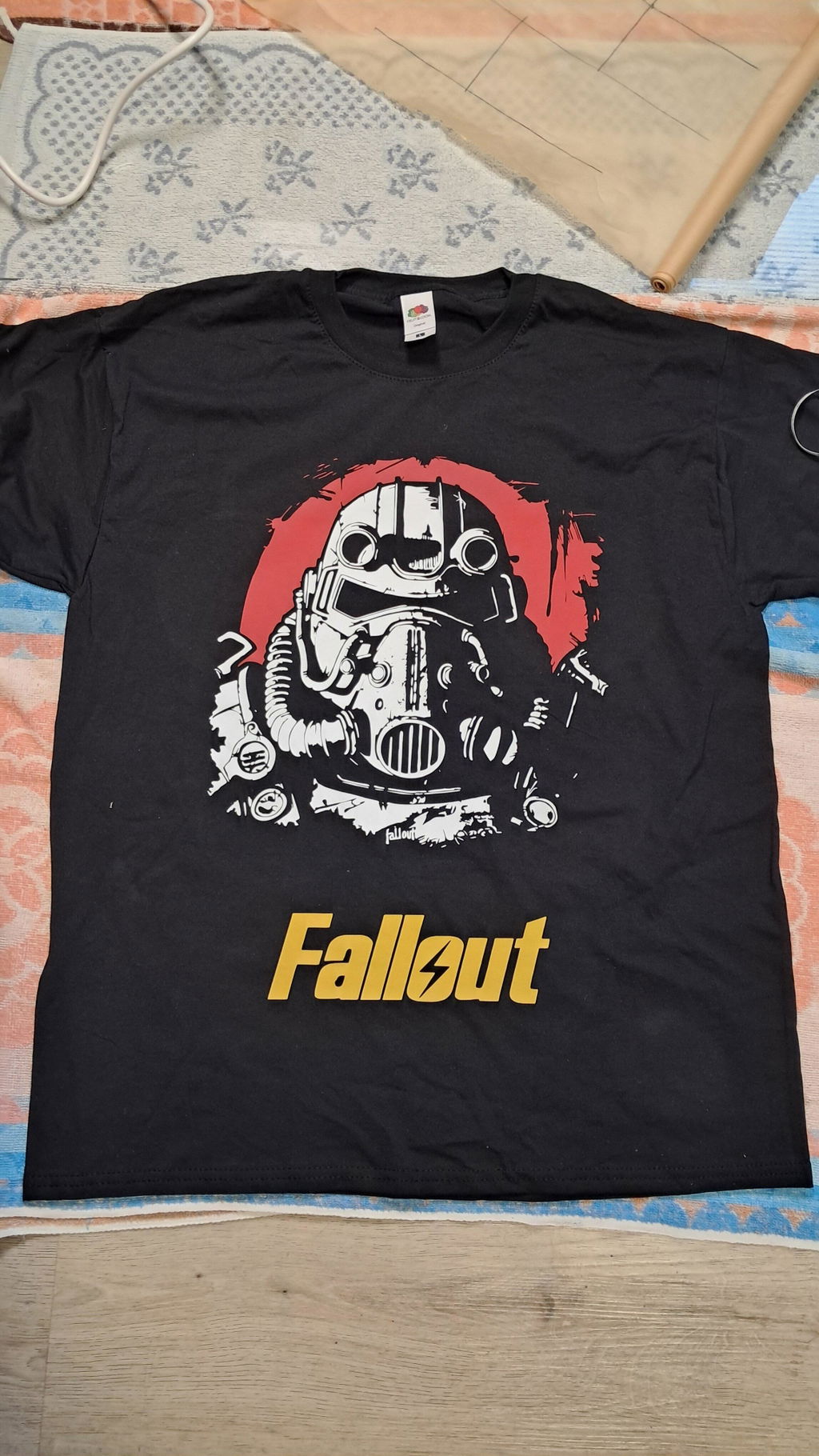
Clear or light iron-on transfer paper does NOT work on dark fabrics. It has a transparent backing, so when pressed onto a dark shirt the design either disappears into the fabric colour or barely shows. For dark fabrics, you need dark transfer paper with a white opaque base layer. This white layer gives the ink something bright to sit on, making the design visible and the colours accurate.
This is one of the most common mistakes in iron-on transfer printing. A clear transfer paper looks fine coming out of the printer. The design prints correctly and looks sharp on the paper. But when it goes onto a dark shirt, the transparent backing means the dark fabric shows through and the design is barely visible. Dark transfer paper solves this by printing a white base under the design before the colour ink, making the design fully visible on any dark fabric.
This guide explains the difference between the two types, how to use dark transfer paper correctly on dark fabrics, the most common mistakes, and care instructions to make the print last.
Clear vs Dark Transfer Paper: What Is the Difference?
These two types look similar but are designed for completely different fabric colours. Using the wrong type is the number one cause of failed transfers.
Property
Clear (Light) Transfer Paper
Dark Transfer Paper
Backing type
Transparent / clear
Opaque white layer
For which fabric
White, beige, cream, light colours only
Dark fabrics: black, navy, red, dark grey
Result on dark fabric
Design barely visible or disappears
Full colour, design shows clearly
Mirror image required?
Yes, mirror before printing
No, print as normal without mirroring
Peel method
Cold peel (after cooling)
Hot peel (within 5 seconds, while hot)
White border around design
None visible on light fabric
Yes. Trim close to design to minimise
Background result
Transparent, fabric shows through
White base under the design
What Is Iron-On Transfer Paper?
Heat transfer paper is a specially coated sheet that you print a design onto using an inkjet printer, then transfer the design to fabric using heat and pressure from a heat press or household iron. It is the right choice for photorealistic designs, complex colour gradients, and detailed images where cutting individual vinyl pieces would not be practical.
There are two types: light or clear transfer paper for light-coloured fabrics, and dark transfer paper for dark-coloured fabrics. Each type has a different backing and a different application method. The colour of the fabric you are working with determines which type you need before you order or print anything.
Light fabrics are white, beige, cream, and any naturally pale colour where the clear backing of light transfer paper will be invisible. Dark fabrics are black, navy, dark red, dark grey, dark green, and any colour where the clear backing would allow the fabric colour to show through the design.
What Happens If You Use Clear Transfer Paper on Dark Fabric?
The design prints correctly on the paper and looks sharp before pressing. But when the clear paper goes onto a dark shirt and is pressed, the transparent backing allows the dark fabric colour to show through the design. The result looks washed out, the colours are not accurate, and in many cases the design is barely visible against the dark background.
This is not a printing error or a heat press error. It is the correct behaviour of clear transfer paper used on the wrong fabric. The solution is not to press it again or use higher heat. The solution is to use dark transfer paper, which has an opaque white layer underneath the design that blocks the fabric colour and gives the ink a bright surface to show on.
Important: No fix after pressing
There is no fix once a clear transfer paper has been pressed onto a dark fabric. Applying more heat will not improve the result. Remove the failed transfer, wash the garment, and start again with dark transfer paper.
How Dark Transfer Paper Works
Dark transfer paper has an opaque white base layer built into the coating. When you press it onto a dark fabric, the white base transfers first, creating a bright white background. The colour design then sits on top of this white layer, making the colours appear exactly as they were printed.
The trade-off is visible: because the white base layer transfers along with the design, you will have a white border around the edges of the design if you do not trim it close. The most important step when using dark transfer paper is to trim as closely as possible around the design before pressing, leaving no white space outside the design boundary.
TeckWrap Craft dark inkjet transfer paper is available in A4 size, compatible with standard inkjet printers, and comes in packs of 15 sheets with parchment paper included.
How to Use Dark Transfer Paper on Dark Fabrics: Step by Step
You will need: TeckWrap Craft dark inkjet transfer paper, an inkjet printer, a heat press or household iron, parchment paper, and scissors or a cutting machine.
1 Prepare and Print Your Design
Open your design in your preferred software. For dark transfer paper, do NOT mirror the image. You print the design face-up so it transfers face-up onto the fabric. Set your printer to the highest quality setting. Load the transfer paper with the printing side facing the correct direction according to the package instructions. Let the design dry for at least 1 to 2 minutes before handling.
Tip: Most dark transfer papers have a slightly different texture on the printable side. Check the packaging instructions before loading your printer to confirm which side is the print side.
2 Trim Close to the Design Edges
This is the most important step for dark transfer paper. Use scissors, a craft knife, or a cutting machine to trim as closely as possible to the edge of your design. Any white space left outside the design boundary will transfer as a visible white border on the dark fabric. Trim away all blank white areas before pressing.
Tip: A Cricut or Silhouette cutting machine gives the most precise trim. If cutting by hand, use sharp scissors and cut just inside the design boundary.
3 Pre-press the Fabric
Place the fabric on a flat, hard surface. Do not use an ironing board as it does not provide enough firm resistance. A table with a folded towel or a heat-resistant mat works well. Press the fabric for 5 seconds with the iron or heat press to remove creases and any moisture. Moisture in the fabric causes uneven transfers.
4 Position and Press the Design
Place the transfer paper face-down on the fabric with the printed side against the fabric. Place parchment paper over the transfer paper to protect the iron or press plate. Set your heat press or iron to 185°C (365°F). Apply firm, even pressure for 15 seconds. Do not move the iron or press during this time. For a household iron, use the cotton setting with no steam.
Tip: If using a household iron, press one section of the design at a time to ensure even heat and pressure. A heat press gives more consistent results for larger designs.
5 Peel While Hot
This is the critical difference from light transfer paper. Dark transfer paper uses a hot peel method. Remove the parchment paper immediately, then peel the transfer paper backing away from the fabric within 5 seconds while still hot. Do not let it cool before peeling. If you wait for it to cool, the paper bonds more firmly and the design may lift with the backing sheet.
Tip: Peel at a low angle parallel to the fabric surface rather than pulling straight up. This reduces the risk of lifting the design with the backing.
6 Let the Design Cure
After peeling, leave the garment flat on a clean surface for at least 24 to 48 hours before washing. This curing period allows the transfer to bond fully with the fabric fibers. Washing before this period can cause the design to crack or peel prematurely.
Common Mistakes to Avoid
Using clear transfer paper on dark fabric. Clear paper will not produce a visible design on dark fabric. Always use dark transfer paper for any fabric that is not white, cream, or very pale.
Not trimming close to the design. Any white space outside the design boundary will appear as a white border on the finished shirt. Trim as close as possible before pressing.
Printing on the wrong side of the paper. Dark transfer paper has a specific printable side. Printing on the wrong side means the ink will not transfer correctly. Check the packaging instructions before loading your printer.
Using the wrong ink type. TeckWrap Craft dark transfer paper is for inkjet printers only. Using a laser printer will produce poor results or no transfer at all.
Peeling after the paper has cooled. Dark transfer paper is a hot peel product. If you let it cool before peeling, the design can lift with the backing sheet. Peel within 5 seconds of removing from the press.
Not pre-pressing the fabric. Moisture and creases in the fabric cause uneven adhesion. Always pre-press for 5 seconds before placing the design.
What Fabrics Work with Dark Transfer Paper?
TeckWrap Craft dark inkjet transfer paper works best on cotton and cotton-blend fabrics. The fabric should have more than 30% cotton content for the transfer to bond correctly and hold through washing.
Best Fabrics
100% cotton, poly-cotton blends with 30% or more cotton content, cotton canvas, and cotton jersey. Smooth, flat fabric surfaces give the best results.
Avoid These Fabrics
100% polyester, nylon, rayon, and synthetic stretch fabrics do not bond well with iron-on transfer paper. Heavy texture or ribbed fabric also prevents full contact and leads to patchy adhesion.
Care Instructions for Dark Transfer Paper Designs
Wait 24 to 48 hours before the first wash. The transfer needs time to cure and bond fully with the fabric. Washing too soon causes the design to crack or peel.
Wash inside out in cold water. Turn the garment inside out to protect the print. Cold water reduces stress on the transfer coating.
Hand wash or use the delicate cycle. The gentler the wash, the longer the print lasts. A standard machine cycle creates too much friction against the design.
Use a mild detergent only. Avoid bleach and harsh detergents. They break down the transfer coating over time.
Do not wring the garment. Gently press water out by hand or roll in a clean towel. Wringing puts stress on the transfer.
Air dry away from direct sunlight. High dryer heat and direct sunlight both degrade the transfer coating. Hang to dry indoors or in a shaded area.
Do not iron directly on the design. Turn the garment inside out or place a pressing cloth over the design. Use a low temperature setting.
Frequently Asked Questions
No. Clear or light transfer paper has a transparent backing. When pressed onto dark fabric, the dark fabric colour shows through and the design appears faded, washed out, or invisible. For dark fabrics, you need dark transfer paper with an opaque white base layer that creates a bright surface for the colours to show on.
No. Unlike light transfer paper, you do not mirror the image when using dark transfer paper. The design is placed face-up on the fabric during pressing. Print the design as normal without flipping it.
Press at 185 degrees C (365 degrees F) with firm pressure for 15 seconds. Use a heat press for the most consistent results, or a dry household iron on the cotton setting with no steam. Apply firm pressure evenly across the design without moving the iron.
Peel dark transfer paper hot, within 5 seconds of removing from the heat. Dark transfer paper is a hot peel product. Waiting for it to cool causes the backing to bond more firmly and can result in the design lifting away from the fabric with the backing sheet.
Yes. TeckWrap Craft dark transfer paper is specifically designed for inkjet printers. Do not use it with a laser printer as the two types require different inks. Standard home inkjet printers work well for printing designs onto dark transfer paper.
A visible white border means you did not trim close enough to the edge of the design before pressing. The white coating of dark transfer paper transfers to the fabric wherever there is paper, including blank areas outside the design. Trim as close as possible to the design boundary before pressing. A cutting machine gives the most precise trim.
With correct application and care, a dark transfer paper design on cotton fabric lasts 20 to 30 washes before showing noticeable wear. Washing inside out in cold water on a delicate cycle significantly extends the lifespan. Bleach and high dryer heat are the most common causes of early failure.
Cotton and cotton-blend fabrics with more than 30% cotton content work best with dark iron-on transfer paper. 100% polyester, nylon, and synthetic stretch fabrics do not bond well. The fabric should be smooth and flat for the best contact during pressing.
Wrapping Up
Clear iron-on transfer paper does not work on dark fabrics. The transparent backing means the design is not visible against dark fabric colours. For dark shirts, black hoodies, navy fabric, and any dark-coloured garment, you need dark transfer paper with a white opaque base layer.
The keys to a good result: trim the design closely before pressing, do not mirror the image, press at 185 degrees C for 15 seconds, and peel the backing while still hot within 5 seconds. Wait 24 to 48 hours before the first wash.
Shop TeckWrap Craft dark inkjet heat transfer paper for dark fabrics.
These are the exact same texture and sheets that I am able to buy at Walmart. The green shirt is using your product, step by step instructions and the black is the product that I ordered from Walmart at 1/2 the price
I bought this big roll awhile back and never had to worry about strategically cutting my designs to fit into a short roll. I had all the vinyl in the world and I knew that I could easily take on big projects because my mega roll of 001M was always there. The peace of mind was definitely worth the purchase.