No, interior film cannot be reused once it has been fully installed and later removed. The adhesive weakens and becomes uneven, and the sheet itself tends to stretch, wrinkle, or trap dust while coming off. A new piece of film gives a far more reliable result if you are covering the same surface again. Repositioning film during the original installation, before it has fully bonded, is a different situation, and it is something most quality films handle well.
Interior film has become a popular way to update walls, cabinets, doors, countertops, and furniture without tearing anything out. Most people do not think about removal again until a renovation, a change in taste, or a damaged section forces the question. That is usually when one thing comes up. Once the old film is off, can that same piece go back on somewhere else?
This guide covers why removed film almost never performs well a second time, what actually happens if you try anyway, and what to do with both the old film and the surface underneath once it is gone.
Interior film stays in place because of a pressure-sensitive adhesive on its backing, built for one long, uninterrupted bond. Rather than weakening over time the way some tapes do, this adhesive typically grips tighter the longer it stays down. It settles into the microscopic texture of the surface underneath, and that extra contact is exactly what makes the bond so reliable in the first place.
That same strength works against you the moment the film comes back off. Peeling a fully bonded sheet away puts more stress on the adhesive layer than it was ever designed to handle, and a few things tend to happen at once.
The adhesive picks up contamination. Dust, cleaning residue, and tiny surface particles get trapped in the adhesive as it separates, and there is no practical way to clean an entire sheet of it back to a like-new state.
The film stretches and thins in spots. Even a careful, slow removal puts uneven tension across the sheet, especially around corners, and vinyl does not spring back to its original shape once it has stretched.
The backing loses its tack. Pressure-sensitive adhesive needs a certain thickness and evenness to grip well. Once it has been compressed against a surface for months or years, it does not return to that state after being pulled free.
Wrinkles and creases set in. Film that gets rolled, folded, or bunched during removal tends to hold that memory, which shows up as uneven texture the next time it is pressed flat.
Age adds brittleness. Film that has been in place for a long time can lose some flexibility, so even a careful removal is more likely to crack or split thin sections instead of coming away in one clean piece.
None of this means the installation failed or that anything was done wrong. It simply means the film already did the job it was built for, and a second full installation was never part of that job.
What Happens When You Try to Reuse It
Even when a removed piece of film still looks fine at a glance, a handful of problems tend to show up fast once you try to put it back down:
Air bubbles that will not push out, since the adhesive no longer bonds evenly across the whole sheet
Wrinkled or rippled patches where the material stretched during the original removal
Lifting at corners and edges within days, because these spots carry the most tension and the weakest remaining adhesive
Visible dust or debris trapped just under the surface of the film
A noticeably shorter lifespan than a fresh sheet, even when the first few hours look fine
Even when a reused piece looks fine going on, adhesive that has already stretched or picked up contamination typically fails within days to a few weeks, not years. A rushed second installation usually means paying for the labor twice.
Some of these problems will not show up right away. Film that appears to have bonded can start lifting a week or two later, once it gets cleaned, handled regularly, or goes through a normal swing in temperature.
Repositioning Is Not the Same as Reusing
These two situations get mixed up often enough that it is worth spelling out the difference.
Repositioning happens during the original installation, before the film has had any real time to bond. Most well-made interior films handle this without issue. If a piece goes down slightly crooked or traps a bubble, you can lift a section, adjust it, and press it back into place, as long as you are still in the middle of that first application.
Reposition only while you are still in the middle of the original installation. Once a piece has cured and been removed, that window is closed for good.
Reusing is a different situation. It means taking film that was already installed, left in place, and allowed to bond and cure completely, sometimes for months or years, then trying to install that exact piece somewhere else. By the time it comes to that, the adhesive has already finished the long-term job it was built for, and the short window for a clean reposition closed a long time ago.
If you are still partway through your first installation and a section needs adjusting, go ahead and lift it. If the film has been living on a wall or cabinet for a while and is now coming off for good, plan on a new piece for whatever surface comes next.
How to Remove Interior Film Without Damaging the Surface
Whether or not you plan on reusing any of it, removing the film carefully protects the surface underneath, and that matters more for the end result anyway.
1Warm the Film First
A heat gun on a low setting softens the adhesive and makes the whole sheet easier to work with. Keep the heat moving so you do not overheat one spot.
2Peel at a Low, Steady Angle
Pulling straight up puts extra strain on both the film and the surface. Working at a shallow angle, slowly and in one direction, gives the adhesive time to let go instead of tearing.
3Clean Off What Is Left Behind
A thin layer of adhesive residue almost always stays on the surface. Isopropyl alcohol on a soft cloth usually lifts it without harming what is underneath.
If you are not sure how a surface will react, test on a small, hidden area first, such as the underside of a cabinet or the inside of a corner, before working across the whole piece.
How much risk there is to the surface depends heavily on what it is made of.
Handles Removal Well
Glass and mirrors
Sealed or painted metal
Laminate countertops
Fully cured, finished wood
Worth Testing First
Painted surfaces without a topcoat
Thin veneer or laminate edges
Any surface you have not tested before
Higher Risk of Damage
Bare drywall
Unsealed or unfinished wood
Paint less than 3 weeks old
Surfaces already damaged beforehand
A heat gun and a soft felt squeegee make this whole process easier, and both come back into play during the next installation.
Both tools, along with isopropyl alcohol and a few clean cloths, are included in a wrapping tools kit if you would rather have everything on hand before starting.
What About Leftover Scraps From Installation?
There is one kind of reuse that works perfectly well, and it gets confused with the situation above more often than you would expect.
Offcuts and trimmings left over from cutting a sheet to size, meaning pieces trimmed away before installation that never actually touched the surface, are not affected by anything described earlier in this guide. That material never went through a bonding and removal cycle, so its adhesive is still fresh.
Those leftover pieces are genuinely useful for smaller projects instead of the trash:
Labeling storage bins, jars, or cords
Covering small accessories or drawer fronts
Patching a small nick in an existing installation with a matched offcut
Small craft or decor projects that only need a small piece
This is a separate category from the removed film discussed throughout this guide. If you already work with craft vinyl for smaller projects, offcuts from an interior film job are worth keeping aside rather than throwing away.
Can Removed Interior Film Be Recycled?
Most interior film is made from PVC or a similar cast vinyl. That material is not accepted in most curbside recycling programs, which are generally built around plastics like PET and HDPE. Vinyl sheeting, especially with adhesive residue still attached, is difficult for standard sorting facilities to process.
For a single small project, removed film typically goes out with regular household trash, though local rules do vary, so it is worth checking with your municipality if you are unsure. For larger commercial jobs involving a significant amount of material, ask your film supplier or a specialized waste handler whether any recovery or take-back option exists before defaulting to the trash.
Frequently Asked Questions
No. The problem sits in the adhesive itself, not the original surface, so moving a removed piece somewhere else does not change the outcome.
This depends on the specific product, but the safe window is really just the original application itself, not something you can come back to hours or days later. Once a piece has been left in place and allowed to cure, treat it as a finished installation rather than something you can lift and move.
Heat helps soften adhesive for a cleaner removal, but it cannot undo stretching, thinning, or contamination that has already happened. It will not turn used film into a dependable second installation.
Standard pressure-sensitive interior film is not built for this. If reuse genuinely matters for your project, look for a product specifically marketed as repositionable or reusable rather than assuming a standard film will behave that way.
Clean and prep the surface, then install a new piece if you are covering it again. The old film can be set aside for small, scrap-based projects if it is still in reasonable shape, but it is not a good candidate for a full reinstall.
Yes, as long as they are true offcuts trimmed before ever being applied to a surface. Once a specific piece has actually been stuck down and removed, that piece is done.
Final Word
Interior film is built to go on once and stay there, and that same strength is exactly what keeps it from working a second time. Once a sheet has fully bonded and later comes off, plan on a new piece rather than trying to save the old one for a full reinstall. Clean offcuts from the original cutting stage are the one real exception, and those are worth keeping for smaller projects down the line. As for the surface itself, taking the time to remove the old film carefully and prep properly before the next installation matters more than anything else for how the finished result turns out.Ready to cover the surface with a fresh sheet?
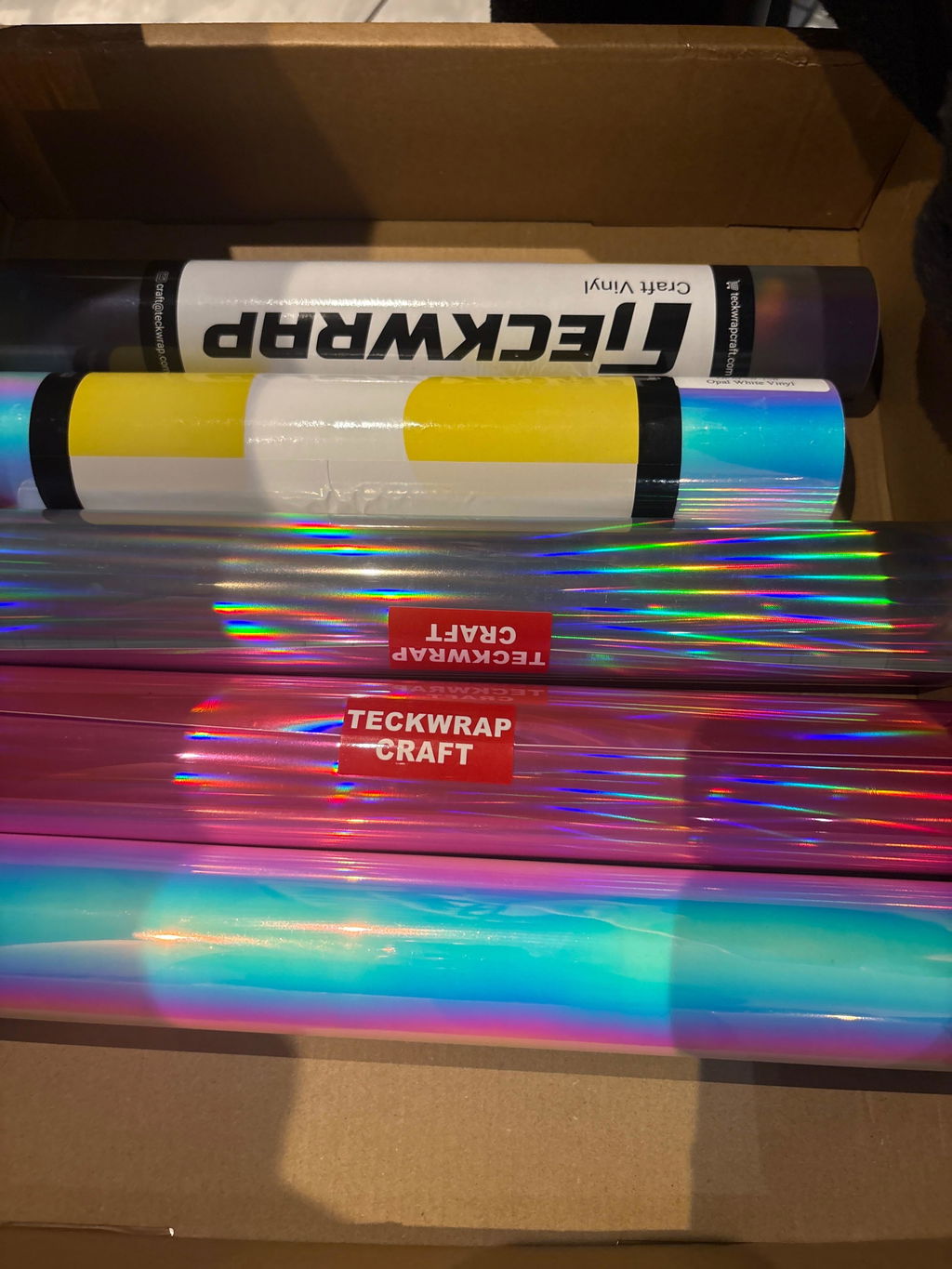
I am from New Caledonia and found this site to source vinyl paper; I placed my order on September 30th and received it on October 7th—shipping was very fast, and the package arrived intact.
I highly recommend any of the vinyl papers sold on this site, as the quality is excellent and the colors are incredible.
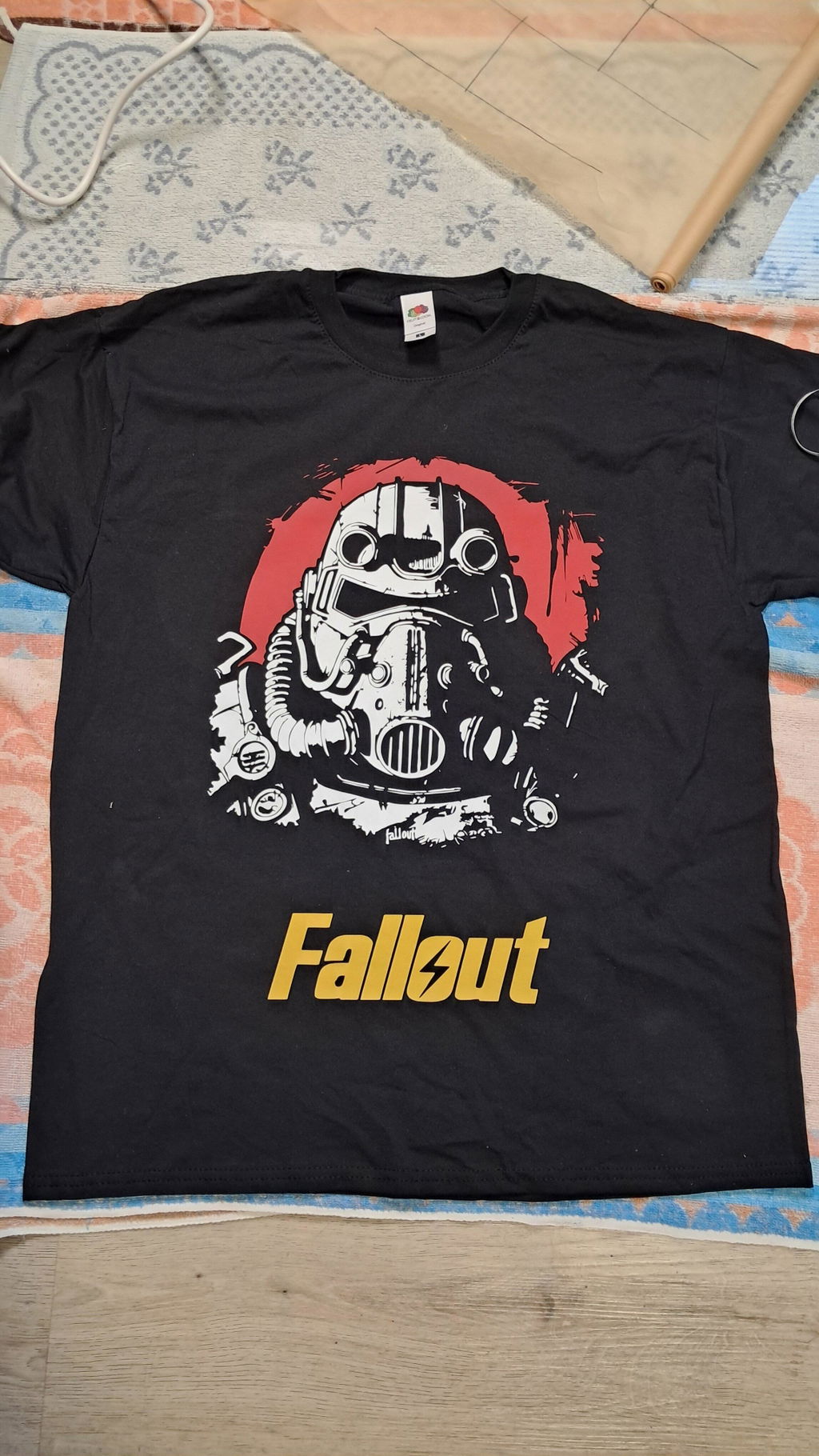
These are the exact same texture and sheets that I am able to buy at Walmart. The green shirt is using your product, step by step instructions and the black is the product that I ordered from Walmart at 1/2 the price